


Updated on: Jun 05, 2026
Hosting a dinner party is about more than just great food — it’s about energy, laughter, and the kind of moments people still talk about weeks later. The right games turn polite conversation into real connection, keeping guests engaged long after dessert. Whether you want clever strategy, quick-fire comedy, or lighthearted storytelling, these dinner party games work for every vibe and group size.
Quick Reference: Popular Games to Play at a Dinner Party
|
Game |
Best For |
Vibe |
Buy or DIY |
|---|---|---|---|
|
Apples to Apples |
4–10 players |
Funny, lighthearted |
Buy |
|
Big Potato Obama Llama |
4–12 players |
Silly, pop-culture |
Buy |
|
Cards Against Humanity |
4–8 players |
Adult humor |
Buy |
|
Categories |
Any group |
Quick thinking |
DIY |
|
Charades |
Any size |
Classic, physical |
DIY |
|
Codenames |
4–8 players |
Clever, strategic |
Buy |
|
Colonies / The Name Game |
6+ players |
Fast, competitive |
DIY |
|
Discussion Club |
4–10 players |
Deep conversation |
DIY |
|
Don’t Get Got |
6–10 players |
Subtle mischief |
Buy |
|
Give Me Three |
3–10 players |
Speed, wordplay |
DIY |
|
Great Minds Think Alike |
4–10 players |
Group laughter |
Buy |
|
Guess Who |
2 players or teams |
Deduction |
Buy |
|
Herd Mentality |
4–20 players |
Social, funny |
Buy |
|
Lucky Dip |
Any group |
Random, fun |
DIY |
|
Make a Rule |
4–12 players |
Silly chaos |
DIY |
|
Murder Mystery |
6–12 players |
Immersive storytelling |
Buy |
|
Sounds Fishy |
4–8 players |
Bluffing, guessing |
Buy |
|
Story Chain |
Any group |
Creative |
DIY |
|
The Flour and Coin Game |
4–10 players |
Silly, messy |
DIY |
|
The Question Game |
Any size |
Introspective |
DIY |
|
The Voting Game |
5–10 players |
Reveal personalities |
Buy |
|
Two Truths and a Lie |
Any group |
Icebreaker |
DIY |
|
What Do You Meme? |
4–10 players |
Visual humor |
Buy |
|
Who Said It? |
4–12 players |
Guessing, fun |
DIY |
|
Would You Rather |
Any group |
Easy laughs |
DIY |

Mattel N-BGG15 Apples to Apples Party
From $37.49 on 

Cards Against Humanity
From $29.00 on

CGE Codenames Board Game (2nd Edition)
From $24.98 on

WHAT DO YOU MEME? Core Game (Original
From $24.99 on
We may earn a small commission from qualifying purchases.
Dinner Party Games for Adults That Never Fail
From clever wordplay to storytelling chaos, these games guarantee laughter and connection. Below are detailed guides on how to play each one.
Apples to Apples
A simple, laugh-out-loud game that’s perfect for mixed groups.
- What You Need: The boxed card game.
- Setup: Deal seven red cards (nouns) to each player. A rotating “judge” draws a green card (adjective) and reads it aloud.
- How to Play: Each player submits one red card that best (or most hilariously) fits the green card’s description. The judge picks their favorite combination, and that player wins the round. The first to collect five green cards wins.
- Tips for Hosting: Mix up who judges each round to keep humor balanced. Add wine, and this game becomes instantly more entertaining.
- Why It Works: Simple setup, guaranteed laughter, and easy for mixed-age or new friend groups.
Pros / Cons:
✅ Fast, funny, zero prep.
❌ Can get repetitive after many rounds.
Big Potato Obama Llama
A fast-paced guessing game that quickly turns loud and chaotic in the best way.
- What You Need: The official game set (cards + timer).
- Setup: Divide into two teams. One player draws a rhyming clue (e.g., “Tom Cruise in his shoes”) and describes or acts it out.
- How to Play: Teams have 30 seconds to guess as many rhyming celebrity or phrase pairs as possible. Some rounds involve miming, others describing.
- Tips for Hosting: Keep energy high with a buzzer or background music between rounds.
- Why It Works: It’s fast-paced, goofy, and accessible — even guests who “don’t play games” get sucked in.
Pros / Cons:
✅ Easy to learn, hilarious clues.
❌ Can be noisy — better for informal nights.
Cards Against Humanity
A bold, irreverent game that’s all about pushing humor to the limit.
- What You Need: Boxed game deck (base or themed set).
- Setup: Each player starts with 10 white cards. A “Card Czar” draws a black card with a fill-in-the-blank sentence.
- How to Play: Everyone submits one white card to complete the phrase, and the Czar picks the funniest or most outrageous. Rotate the Czar each round.
- Tips for Hosting: Play with people who know each other well — humor gets dark fast. Pair with drinks, not dinner.
- Why It Works: Irreverent humor breaks the ice instantly with the right crowd.
Pros / Cons:
✅ Huge laughs, zero setup.
❌ Adult-only — not for sensitive guests.
Categories
A quick-thinking game that turns even simple topics into competition.
- What You Need: Pen, paper, timer.
- Setup: Choose a broad category (e.g., movies, desserts, cities). Each player writes as many items as possible that fit within 30 seconds.
- How to Play: Compare lists. Any duplicate answers are crossed off; unique ones earn points. Play several rounds with new categories.
- Tips for Hosting: Pick categories that fit your crowd — “cocktails,” “vacation spots,” or “celebrities named Chris.”
- Why It Works: Encourages fast thinking and fun competition.
Pros / Cons:
✅ Free to play, adaptable.
❌ Works best with outgoing groups.
Charades
A classic party game that gets everyone moving and laughing.
- What You Need: Paper slips with words/phrases or a charades app.
- Setup: Divide into teams. Players take turns acting out a phrase without speaking while teammates guess.
- How to Play: Each player draws a phrase, uses gestures to act it out, and their team guesses within 60 seconds. Use clues like holding up fingers to show the number of words or touching your ear for “sounds like.”
- Tips for Hosting: Encourage dramatic acting and include funny or personalized clues.
- Why It Works: Universally known and gets everyone moving.
Pros / Cons:
✅ Great energy, family-friendly.
❌ Some guests may be shy about acting.
Codenames
A clever word game that adds a bit of strategy to your night.
- What You Need: Boxed Codenames game.
- Setup: Lay out a 5×5 grid of word cards. Each team has a “spymaster” who gives one-word clues pointing to multiple words on the board.
- How to Play: The spymaster tries to get their team to guess all their assigned words without picking words belonging to the other team — or the deadly assassin card.
- Tips for Hosting: Choose teams that mix personalities — analytical and creative thinkers balance well.
- Why It Works: Strategic but social, ideal for guests who enjoy a mental challenge.
Pros / Cons:
✅ Smart, replayable, low noise.
❌ Might confuse guests after wine.
Colonies / The Name Game
A layered word game that gets funnier as each round builds on the last.
- What You Need: Just paper and pens.
- Setup: Choose a theme (e.g., animals, foods). Everyone writes several words from that theme and folds them into a bowl.
- How to Play:
- Round 1: Players pull slips and describe the word without saying it.
- Round 2: Use one word only.
- Round 3: Act it out silently.
- Tips for Hosting: Keep score by team; laughter builds as rounds get harder.
- Why It Works: Combines wordplay, memory, and physical comedy.
Pros / Cons:
✅ Free, flexible, endlessly fun.
❌ Needs organized timing to run smoothly.
Discussion Club
A slower-paced option that encourages meaningful conversation around the table.
- What You Need: Pre-written cards or printed questions.
- Setup: Prepare cards with thought-provoking topics (“What book changed your perspective?” or “What would you do if you won $10M?”).
- How to Play: Pass the deck around. Each person picks one question and everyone shares their thoughts.
- Tips for Hosting: Ideal for small dinner tables. Light candles and pour wine — it feels like a cozy salon.
- Why It Works: Turns acquaintances into friends through meaningful conversation.
Pros / Cons:
✅ Thoughtful, intimate, zero pressure.
❌ Not for loud or rowdy gatherings.
Don’t Get Got
A sneaky, ongoing game that plays out in the background all night.
- What You Need: Official Don’t Get Got game set — each player receives a wallet with six secret missions.
- Setup: Hand out a mission wallet to each player at the start of the evening. Missions might include things like “Get someone to high-five you twice” or “Convince another guest to sit in your seat.”
- How to Play: Throughout the dinner party, players secretly try to complete their missions without being caught. When someone suspects a mission attempt, they can call it out — if correct, the mission fails.
- Tips for Hosting: Start the game early, maybe before dinner, and let it run all night as a background activity.
- Why It Works: Keeps energy flowing naturally and works even during conversations or while guests eat.
Pros / Cons:
✅ Fun for mingling groups and shy guests.
❌ Works best for parties of at least 6.
Give Me Three
A rapid-fire game that keeps everyone on their toes.
- What You Need: Timer and prompt list (DIY or app).
- Setup: One person reads prompts like “Name three red foods” or “Three movies set in space.” The player has 5 seconds to respond.
- How to Play: The player must shout three relevant answers before time runs out. If they hesitate, the next player steals the turn.
- Tips for Hosting: Great as a filler while dessert’s being served or drinks are poured.
- Why It Works: Gets everyone laughing, shouting, and thinking fast.
Pros / Cons:
✅ No materials, very fast-paced.
❌ Can get chaotic with large groups.
Great Minds Think Alike
A light, social game that reveals how similarly (or differently) everyone thinks.
- What You Need: The Great Minds Think Alike card game.
- Setup: Each round, a card with a category (e.g., “Breakfast foods”) is drawn. Everyone secretly writes five answers they think others will also write.
- How to Play: After writing, compare lists. Players score a point for every matching answer with another player.
- Tips for Hosting: Perfect before or after dinner — it sparks conversation naturally.
- Why It Works: It’s competitive without conflict, and surprisingly revealing about shared associations.
Pros / Cons:
✅ Easy and social.
❌ Works best with 5+ players.
Guess Who
A nostalgic guessing game that’s easy to adapt for adult groups.
- What You Need: Classic Guess Who game board (or create a DIY version with celebrity or friend photos).
- Setup: Each player (or team) selects a mystery character. The opponent must guess who it is by asking yes/no questions.
- How to Play: Ask questions like “Does your person wear glasses?” or “Are they smiling?” Eliminate faces until only one remains.
- Tips for Hosting: Make it dinner-party friendly by using famous chefs, actors, or mutual friends instead of random characters.
- Why It Works: Nostalgic and adaptable for adults.
Pros / Cons:
✅ Fast, strategic fun.
❌ Only two players at a time unless you rotate.
Herd Mentality
A crowd-focused game where thinking like everyone else is the goal.
- What You Need: Official Herd Mentality boxed game.
- Setup: Read a question like “What’s the best pizza topping?” Everyone writes an answer — the goal is to match the majority, not be unique.
- How to Play: Reveal all answers simultaneously. Those who wrote the most common response get a point; anyone who stands alone gets the dreaded pink cow token.
- Tips for Hosting: Great after dinner when conversation is flowing — keep rounds short to maintain momentum.
- Why It Works: Super inclusive and hilarious when groups overthink easy questions.
Pros / Cons:
✅ Easy to learn and replayable.
❌ Can drag with very large groups.
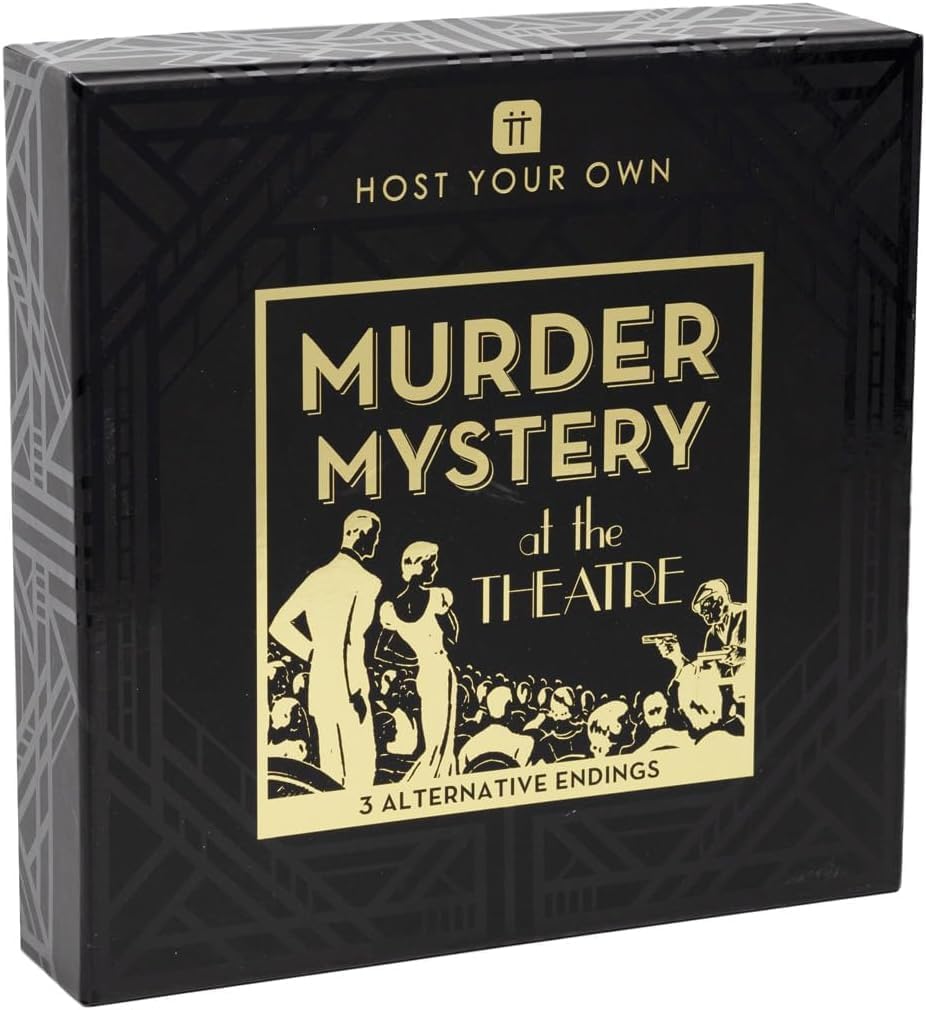
Talking Tables Reusable Murder Mystery
From $33.59 on

Big Potato Don't Get Got (2021 Edition):
From $19.99 on

Guess Who? Board Game with Classic
From $19.99 on

Obama Llama Party Game by Big Potato
From $9.99 on
We may earn a small commission from qualifying purchases.
Lucky Dip
A simple, flexible game that can go in any direction depending on your group.
- What You Need: A bowl, slips of paper, and imagination.
- Setup: Each guest writes a random or funny question on a slip of paper and folds it up.
- How to Play: Pass the bowl around the table. Each person draws one and must answer honestly (or perform the silly task written on it).
- Tips for Hosting: A low-pressure way to keep conversation going during dessert.
- Why It Works: Customizable for tone — can be deep or ridiculous.
Pros / Cons:
✅ Free, creative, easily themed.
❌ Quality depends on guest participation.
Make a Rule
A playful, ever-changing game that builds as the night goes on.
- What You Need: Drinks optional, sense of humor required.
- Setup: At any point, the host (or anyone) can invent a new “rule” — such as “No one can say names” or “Raise your glass before you speak.”
- How to Play: The rule stays in effect until someone forgets it and must take a funny “penalty,” like telling a story or doing a dance.
- Tips for Hosting: Great as a spontaneous side game that evolves through the night.
- Why It Works: Keeps everyone alert and laughing.
Pros / Cons:
✅ Zero prep, endless variety.
❌ Works best with a fun-loving crowd.
Murder Mystery
An immersive experience that turns your dinner into a full storyline.
- What You Need: Murder mystery kit (boxed or printable), character roles, and optional costumes.
- Setup: Assign each guest a role before the event — include background info, motives, and costume ideas.
- How to Play: The host introduces the story and sets the scene. During dinner, guests stay in character, share clues, and try to solve the murder before dessert.
- Tips for Hosting: Choose a mystery kit that fits your vibe — elegant dinner, 1920s speakeasy, or haunted mansion.
- Why It Works: Combines storytelling, teamwork, and theatrics.
Pros / Cons:
✅ Immersive and unforgettable.
❌ Requires planning and prep time.
Sounds Fishy
A clever bluffing game where confidence matters more than being right.
- What You Need: The Sounds Fishy game deck.
- Setup: One player (the “guesser”) is read a question with multiple made-up answers and one real one.
- How to Play: The other players bluff confidently, trying to convince the guesser to pick their fake answer. Points go to the bluffers if they trick the guesser.
- Tips for Hosting: Works best after dinner when guests are relaxed and chatty.
- Why It Works: Combines humor, wit, and mild deception — like Balderdash meets trivia night.
Pros / Cons:
✅ Quick rounds, fun lies.
❌ Needs players who enjoy bluffing.
Story Chain
A creative group game where the story takes on a life of its own.
- What You Need: Just imagination (or a prompt jar).
- Setup: One person starts a story with a single sentence (“It was the night of the dinner party when…”).
- How to Play: Going clockwise, each guest adds one sentence, continuing the story. Keep going until you reach a hilarious or dramatic conclusion.
- Tips for Hosting: Add themes (“ghost story,” “holiday gone wrong,” “mystery”) or record the final story for laughs later.
- Why It Works: Everyone contributes; no skill required.
Pros / Cons:
✅ Zero cost, fun for creative groups.
❌ Loses steam if people overthink it.
The Flour and Coin Game
A messy, high-stakes game that always ends in laughter.
- What You Need: A coin, a plate, flour, and a butter knife.
- Setup: Pile flour on a plate in the shape of a small mountain and place a coin flat on top. Each player takes turns slicing away bits of flour using the knife without letting the coin fall.
- How to Play: The person whose slice makes the coin drop must retrieve it — using only their mouth!
- Tips for Hosting: Do this one before dessert, not after. Use an easy-clean tablecloth.
- Why It Works: Silly, messy, and surprisingly nerve-wracking.
Pros / Cons:
✅ Fun, physical, nostalgic.
❌ Best for casual or outdoor settings.
The Question Game
A quick-thinking challenge that keeps everyone on their toes.
- What You Need: A timer and open-ended questions.
- Setup: Sit in a circle. The first person asks another a question — but that person must respond with another question directed at anyone else.
- How to Play: The goal is to keep the conversation moving only through questions. Hesitate or make a statement, and you’re out of that round.
- Tips for Hosting: Works beautifully during appetizers or wine hour.
- Why It Works: Quick, smart, and naturally funny when people panic trying to think of a question.
Pros / Cons:
✅ No prep, simple.
❌ Can get repetitive — best in short bursts.
The Voting Game
A revealing game that’s equal parts funny and slightly ruthless.
- What You Need: The Voting Game deck.
- Setup: Read prompts like “Who is most likely to survive a zombie apocalypse?” Everyone secretly votes, and votes are revealed one by one.
- How to Play: Laughter ensues when guests debate or defend themselves. You can remove prompts that don’t suit your crowd.
- Tips for Hosting: Great for groups that already know each other well.
- Why It Works: Encourages playful roasting and personal stories.
Pros / Cons:
✅ Very social, always funny.
❌ Avoid for brand-new groups.
Two Truths and a Lie
A classic icebreaker that’s always good for a few surprises.
- What You Need: None — just imagination.
- Setup: Go around the table; each person shares three statements about themselves, two true and one false.
- How to Play: Everyone guesses which statement is the lie.
- Tips for Hosting: Mix it up with categories like “travel,” “childhood,” or “celebrity encounters.”
- Why It Works: Perfect as an icebreaker or post-dinner game.
Pros / Cons:
✅ Revealing and funny.
❌ Loses novelty after multiple rounds.
What Do You Meme?
A light, visual game that’s easy to jump into and play.
- What You Need: What Do You Meme? card set.
- Setup: One player draws a meme photo card; the others play caption cards to pair with it.
- How to Play: The judge picks the funniest or most fitting caption each round.
- Tips for Hosting: Keep background music light so captions can be read aloud clearly.
- Why It Works: Combines pop culture and humor; it’s visual and effortless.
Pros / Cons:
✅ Modern, Instagram-worthy fun.
❌ Not suitable for all age groups.
Who Said It?
A personal, story-driven game that works especially well with close groups.
- What You Need: A list of quotes or funny personal statements.
- Setup: Before dinner, collect secret statements from guests (e.g., “I once ate an entire cake by myself”).
- How to Play: Read each aloud and have everyone guess who said it.
- Tips for Hosting: Great for small or intimate gatherings — or as a warmup before other games.
- Why It Works: Brings out personal stories and inside jokes.
Pros / Cons:
✅ Great for friend groups.
❌ Needs pre-party prep.
Would You Rather
A simple go-to game that keeps conversation moving with zero setup.
- What You Need: None.
- Setup: Go around the table asking “Would you rather…” questions, such as “Would you rather give up coffee or social media for a year?”
- How to Play: Players must choose one option and explain their reasoning.
- Tips for Hosting: Alternate between silly and serious questions to keep energy balanced.
- Why It Works: Easy, inclusive, and keeps laughter flowing.
Pros / Cons:
✅ Effortless crowd-pleaser.
❌ Can get repetitive without variety.
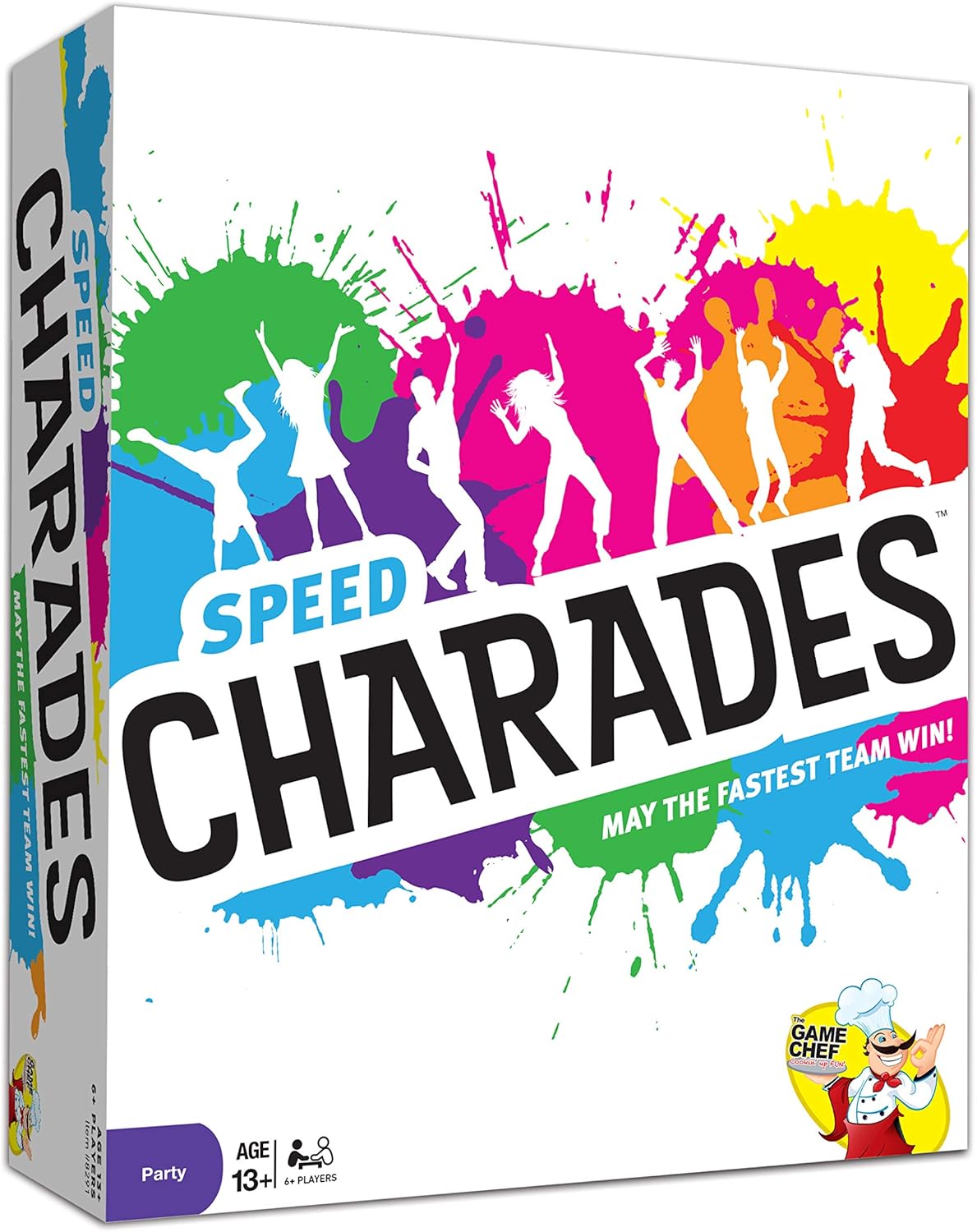
Speed Charades Party Game - Charades
From $24.99 on

TableTopics - The Original Conversation
From $25.00 on

Brass Monkey Incredibly Pointless –
From $14.00 on

BestSelf Icebreaker Card Deck – 170
From $26.99 on
We may earn a small commission from qualifying purchases.
Dinner Party Games for Large Groups
Big gatherings need games that are fast, inclusive, and easy to explain. These encourage group participation and can easily run in short rounds so everyone stays engaged.
Best picks:
-
Herd Mentality
-
Apples to Apples
-
The Voting Game
-
Great Minds Think Alike
-
Charades
-
What Do You Meme?
-
Lucky Dip
-
Would You Rather
Dinner Party Games for Small Groups
Smaller dinner parties thrive on deeper interaction and wit — ideal for strategy or storytelling games. These allow longer turns and detailed conversations without losing the relaxed dinner atmosphere.
Best picks:
-
Codenames
-
Murder Mystery
-
Discussion Club
-
Story Chain
-
Two Truths and a Lie
-
The Question Game
-
Don’t Get Got
Games That Don’t Require Materials
When you want spontaneous fun, no props are needed — just creativity. Perfect for outdoor dinners or when you don’t want to clear space for boards or cards.
Best picks:
-
Would You Rather
-
Two Truths and a Lie
-
Story Chain
-
The Question Game
-
Make a Rule
-
Lucky Dip
Simple Games That Always Work
These are crowd-tested favorites that never fail to engage — great for hosts who prefer minimal explanation. They’re easy to start between courses or during dessert, keeping the mood light and natural.
Best picks:
-
Categories
-
Give Me Three
-
Charades
-
Great Minds Think Alike
-
Apples to Apples
-
Herd Mentality
Games for Formal Dinner Parties
Elegant gatherings don’t need to skip the fun — just lean into sophistication and subtle humor. These pair well with wine, conversation, and music without breaking the evening’s refined tone.
Best picks:
-
Codenames
-
Discussion Club
-
The Voting Game (light version)
-
Who Said It?
-
Murder Mystery (classic edition)
Family-Friendly Dinner Party Games
Some games work perfectly for multi-generational tables or holiday gatherings. They’re playful without crossing lines, and kids can easily join in while adults still enjoy themselves.
Best picks:
-
Apples to Apples
-
Charades
-
Story Chain
-
The Flour and Coin Game
-
Guess Who
-
Lucky Dip
Conclusion: The Secret Ingredient of a Great Dinner Party
The best dinner party isn’t about perfect timing or Michelin-level food — it’s about connection. A good game breaks down barriers, gets everyone laughing, and reminds guests why shared experiences matter. Whether you prefer mind games or messy flour mountains, these activities turn any dinner into a night guests never forget.