


Updated on: Jun 05, 2026
An Italian dinner party is one of those themes that feels effortless when it’s done well. The table fills with pasta, bread, wine, and small details that invite people to stay a little longer than planned. It’s less about presentation and more about atmosphere—warm lighting, shared dishes, and a space that feels welcoming from the moment guests arrive. Whether you lean rustic or slightly refined, the goal is to create an evening that feels full, relaxed, and worth lingering over.
How Do You Host an Italian Dinner Party at Home?
Start with a menu built for sharing, then shape your setup around one central table or a relaxed serving area. Add warm lighting, simple linens, and familiar touches like olive oil, bread, and wine within reach. An Italian-inspired dinner party works best when it flows naturally—guests serve themselves, conversations overlap, and nothing feels rushed or overly structured.
Designing an Italian Themed Party With a Warm, Welcoming Atmosphere
The design should feel like a place where people gather often—not something styled for one night only. Think layered textures, soft lighting, and a layout that encourages guests to move, sit, refill, and settle in again.
Entranceway Inspired by a Neighborhood Trattoria
The entry should feel welcoming and slightly transportive, like walking into a small Italian restaurant at golden hour.
-
Frame the doorway with olive branches, trailing greenery, or simple vines for a Mediterranean feel
-
Add a chalkboard or wooden sign with “Benvenuti” or a handwritten menu to set the tone
-
Use lanterns or warm string lights to soften the transition from outside to inside
-
Place terracotta pots, herbs, or stacked crates near the entrance for a relaxed, collected look
-
Keep everything unfussy so it feels natural rather than staged
Photo Area With a Rustic Italian-Inspired Backdrop
A photo space should feel like an extension of the table, not a separate party feature.
-
Use layered linen, café curtains, or a brick-style backdrop to echo a trattoria setting
-
Add a small table styled with wine bottles, bread, and glassware for context
-
Include subtle props like menus, herb bundles, or vintage frames instead of novelty items
-
Use warm, diffused lighting so photos feel consistent with the rest of the evening
-
Keep tones in cream, olive, wine, and wood for a cohesive palette
Layout Ideas That Encourage Sharing and Flow
The layout should support how people naturally eat, talk, and move during a long dinner.
- Aperitivo Area: A small starter station with olives, nuts, and drinks as guests arrive
- Main Table: A shared dining space designed for passing dishes and pouring wine
- Pasta & Bread Station: A sideboard with larger dishes and refills within easy reach
- Dessert + Espresso Corner: A space for tiramisu, cookies, and after-dinner drinks
- Outdoor Wine Spot: A patio or side seating area for lingering conversations
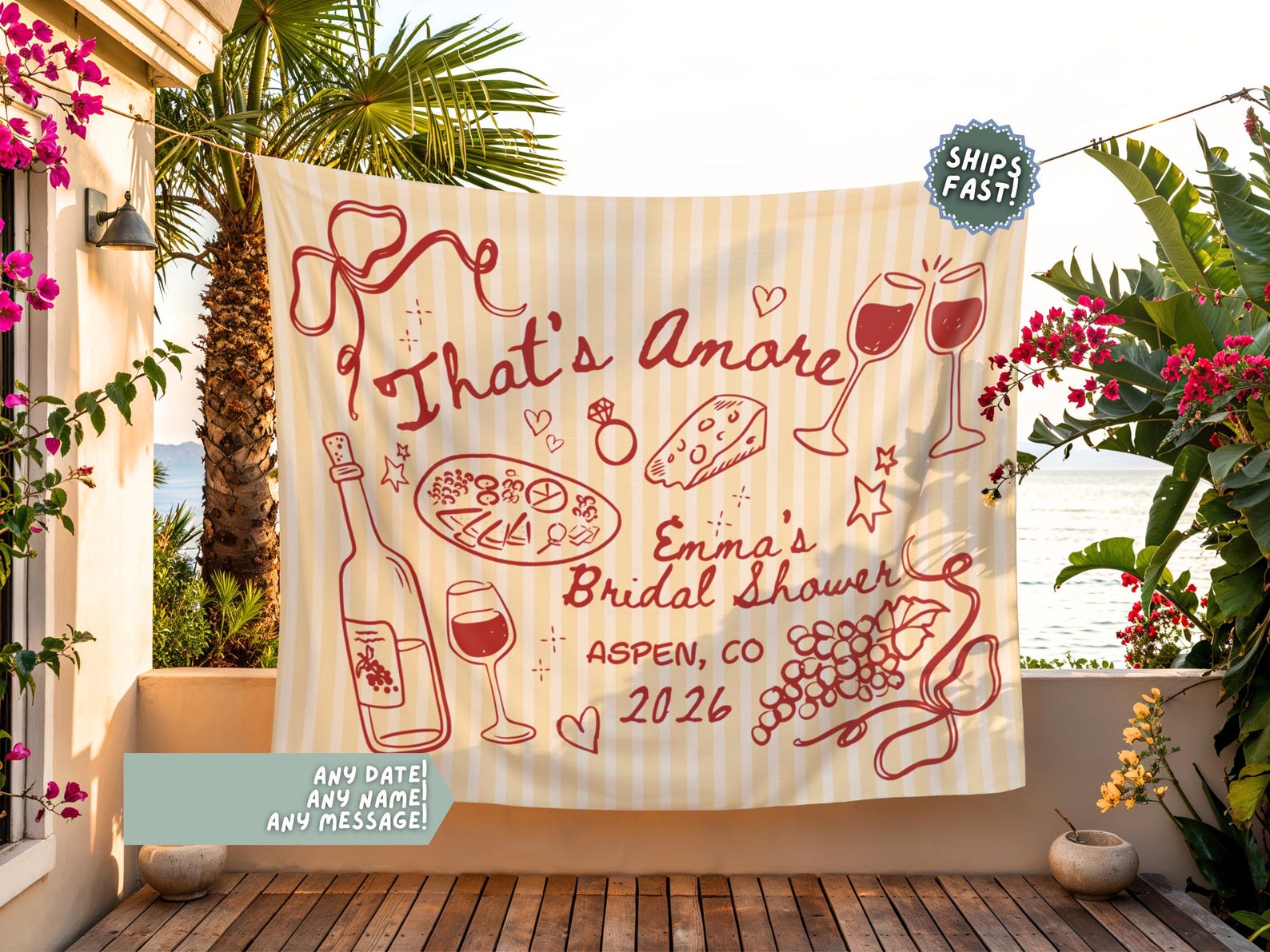
Custom Thats Amore Banner for Italian
From $40.99 on 

Italian Street Restaurant Backdrop Red
From $17.87 on 
Kurt S. Adler BAT0315WW String Light 50
From $14.40 on 

AnapoliZ Plastic Checkered Tablecloth |
From $13.95 on
We may earn a small commission from qualifying purchases.
Italian Dinner Party Decor
Decor should feel like it belongs in the space—nothing overly themed or forced. Repeating a few materials and tones will do more than adding extra pieces.
Table Decoration Ideas for a Rustic Italian Dinner Setting
The table should feel abundant and welcoming, like a relaxed Italian meal where everything is meant to be shared and enjoyed slowly.
- Layer linen or red-and-cream checkered tablecloths with a soft, slightly rumpled drape to echo a casual trattoria-style setting
- Place bread baskets with sliced baguette or ciabatta, small dishes of olive oil, and glass carafes of water or wine directly on the table so it feels lived-in and ready to share
- Add low candles in simple holders alongside touches of greenery like olive branches, rosemary, or basil for a natural, Mediterranean feel
- Mix ceramic plates, clear glassware, and rustic serving pieces so the table feels collected over time rather than perfectly matched
- Include loosely folded napkins or simple handwritten menus with Italian dish names to give the table a personal, café-style finish
Centerpiece Ideas for a Simple but Intentional Experience
Centerpieces should feel like part of the meal, not separate from it.
-
Wine bottles with taper candles for an easy, classic focal point
-
Potted herbs like basil or rosemary that add scent and texture
-
Bowls of grapes, figs, or citrus for color without effort
-
Mason jars or stoneware filled with simple florals
-
Keep arrangements low and spaced out across the table
Wall and Background Details That Add Warmth
A few subtle touches can make the space feel like a relaxed Italian dining setting, adding warmth and character without overwhelming the room.
- A chalkboard or printed menu with Italian dish names or courses written in simple script
- String lights draped along a wall or window to create a soft, café-style glow
- Fabric runners or layered textiles in linen or muted patterns placed on sideboards or consoles to echo a rustic, lived-in feel
- Small garlands or greenery using olive branches, rosemary, or eucalyptus to bring in natural Mediterranean elements
- Open shelves or surfaces styled with wine bottles, olive oil, candles, and simple serving pieces
Outdoor Setup Ideas for an Alfresco Dinner
An Italian-inspired dinner party naturally shines outdoors, where the setting can feel relaxed, communal, and centered around lingering at the table.
- Hang bistro lights overhead to create the soft glow of an Italian dining space
- Use wood or folding tables with simple linen or lightly wrinkled cloths to echo a casual trattoria-style setup
- Place lanterns or candles along the table and nearby surfaces to bring in a warm, low-lit evening atmosphere
- Frame the table with planters, potted herbs, or simple greenery to reflect a garden-style Italian setting
- Keep the layout open and uncluttered so the table, food, and shared dishes remain the natural focal point
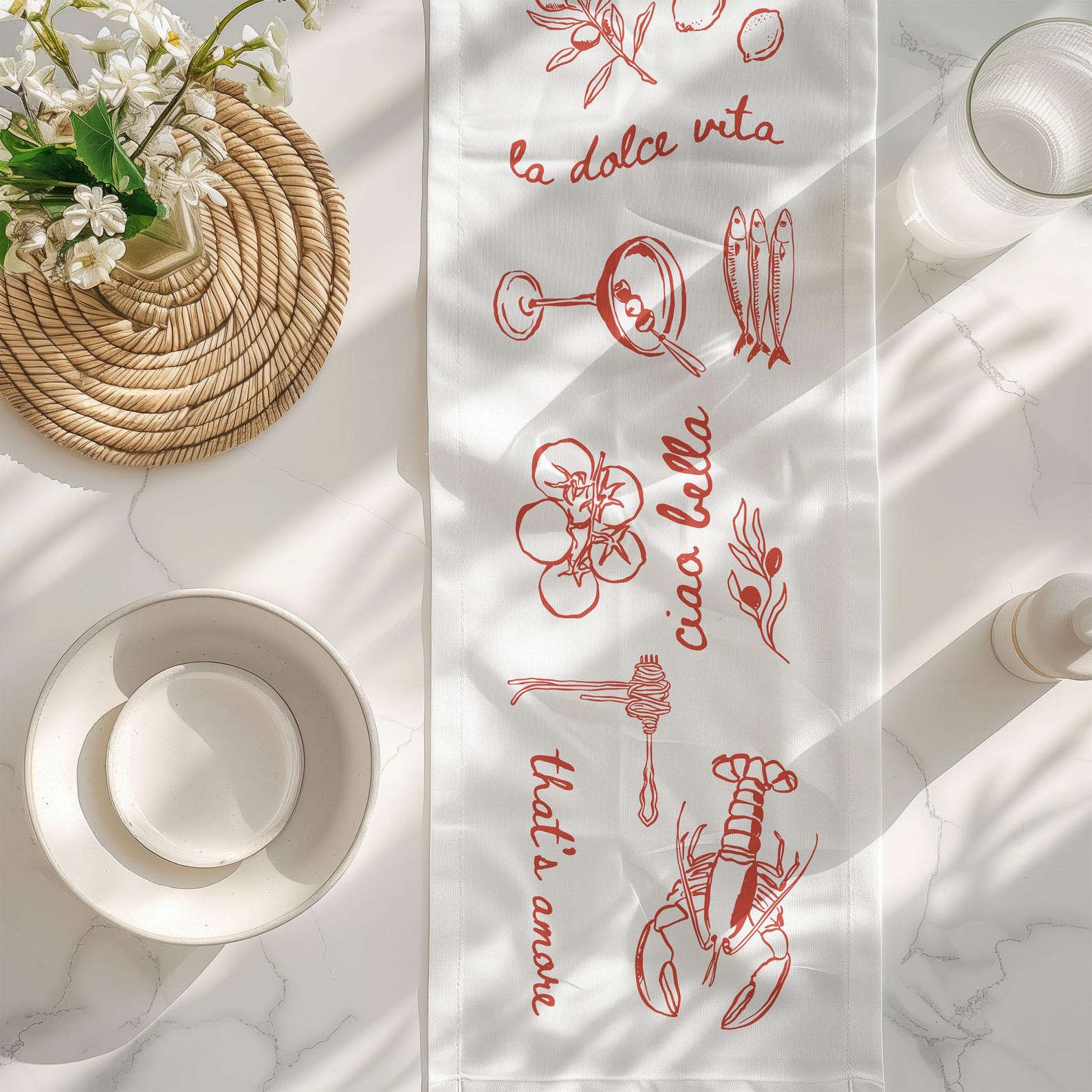
Italian Summer Table Runner Italian
From $52.28 on
36 Pc Navy & Gold Accent Centerpiece Kit
From $199.99 on
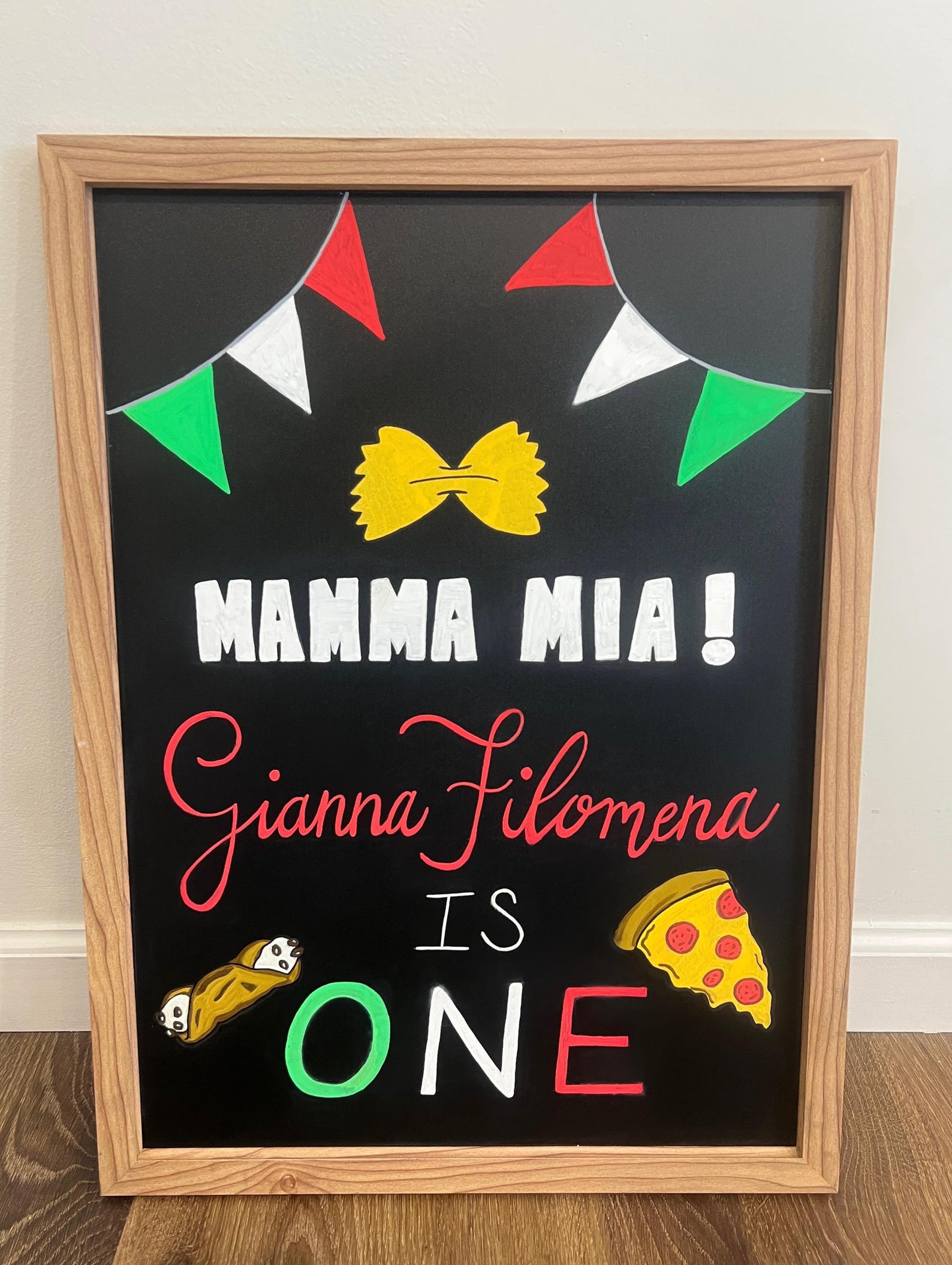
Personalized Hand-Drawn Birthday Party
From $100.00 on
We may earn a small commission from qualifying purchases.
Italian Menu Ideas with a Comforting and Shareable Setup
The menu should feel like it unfolds over time, with dishes meant to be passed, revisited, and enjoyed without rushing.
Main Dishes That Anchor the Table
These should feel satisfying and easy to serve family-style.
-
Large bowls of pasta with sauces like marinara, pesto, or cream-based options
-
Baked dishes like lasagna or ziti that hold heat and serve easily
-
Chicken parmesan or sausage with peppers for variety
-
Flatbreads or pizza slices for a more casual, shareable option
-
A mix of rich and lighter dishes to keep the table balanced
Appetizers To Ease Guests Into the Meal
Starters should feel simple, flavorful, and easy to grab.
-
Bruschetta with tomato, basil, or whipped ricotta
-
Bread served with olive oil, herbs, and flaky salt
-
Caprese salad or skewers for freshness
-
Antipasto boards with meats, cheeses, and olives
-
Warm bites like stuffed mushrooms
Classic Desserts for a Satisfying Ending
Dessert should feel like a natural final course, not a separate event.
-
Tiramisu in slices or individual cups
-
Cannoli or Italian cookies on shared platters
-
Gelato or ice cream for a lighter finish
-
Cheesecake or cream-based desserts for richness
-
Espresso or coffee served alongside sweets
Drinks That Support the Flow of the Evening
Drinks should be easy to refill and return to throughout the night.
-
Red and white wine as the main options
-
Sparkling water for balance
-
Italian soda or lemonade for variety
-
Espresso or coffee for the final stretch of the evening
-
Simple garnishes and glass bottles to keep the setup cohesive
Food Presentation for the Complete Experience
Presentation should make the table feel abundant and ready to share, with dishes arranged the way you’d see at a relaxed Italian meal.
- Use large bowls of pasta and wide platters of dishes placed close together so the table feels full and centered around sharing
- Add wooden boards or ceramic trays for bread, antipasti, or small bites to bring in that rustic, kitchen-to-table feel
- Group dishes in a loose, slightly crowded way so it feels like everything was set out at once, not carefully staged
- Place serving spoons and tongs directly in dishes so guests can help themselves naturally
- Let the food act as part of the décor, with bread, olive oil, and rich, warm-colored dishes creating the focal point

bUCLA 12 Pack White Plastic Serving
From $23.19 on
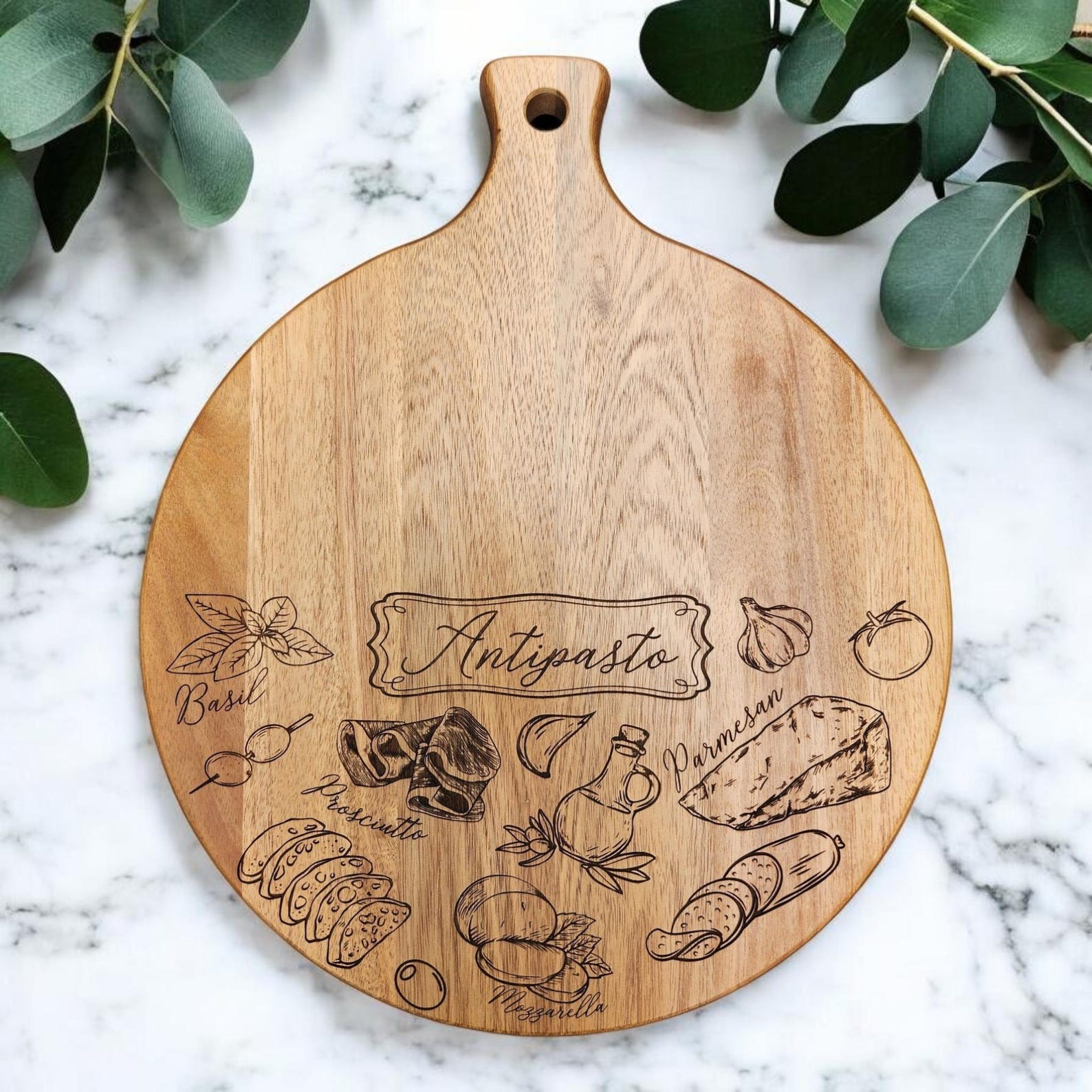
Engraved Antipasto Acacia Wood
From $40.00 on

Bormioli Rocco Ypsilon Pre Dinner
From $21.47 on
Wrapables 10Ft Bohemian Cheesecloth
From $24.99 on
We may earn a small commission from qualifying purchases.
Entertainment Ideas for a Relaxed and Lively Evening
The best Italian-inspired gatherings don’t rely on structured entertainment—the conversation and food carry most of the experience.
Background Music That Feels Subtle and Inviting
Music should add to the atmosphere without competing with conversation.
-
Italian café-style playlists
-
Soft jazz or acoustic tracks
-
Classic romantic songs
-
Instrumental music that stays low
Conversation Ideas That Keep the Table Engaged
Simple prompts can help keep the energy flowing naturally.
-
Sharing favorite recipes or family meals
-
Talking about travel or memorable dining experiences
-
Light trivia around food or culture
-
Casual conversation cards if needed
Food-Based Activities That Fit the Theme
Interactive elements should feel like part of the meal, not separate from it.
-
Build-your-own pizza or flatbread station
-
Pasta topping bar with simple add-ins
-
Olive oil or bread tasting
-
Dessert decorating with minimal toppings
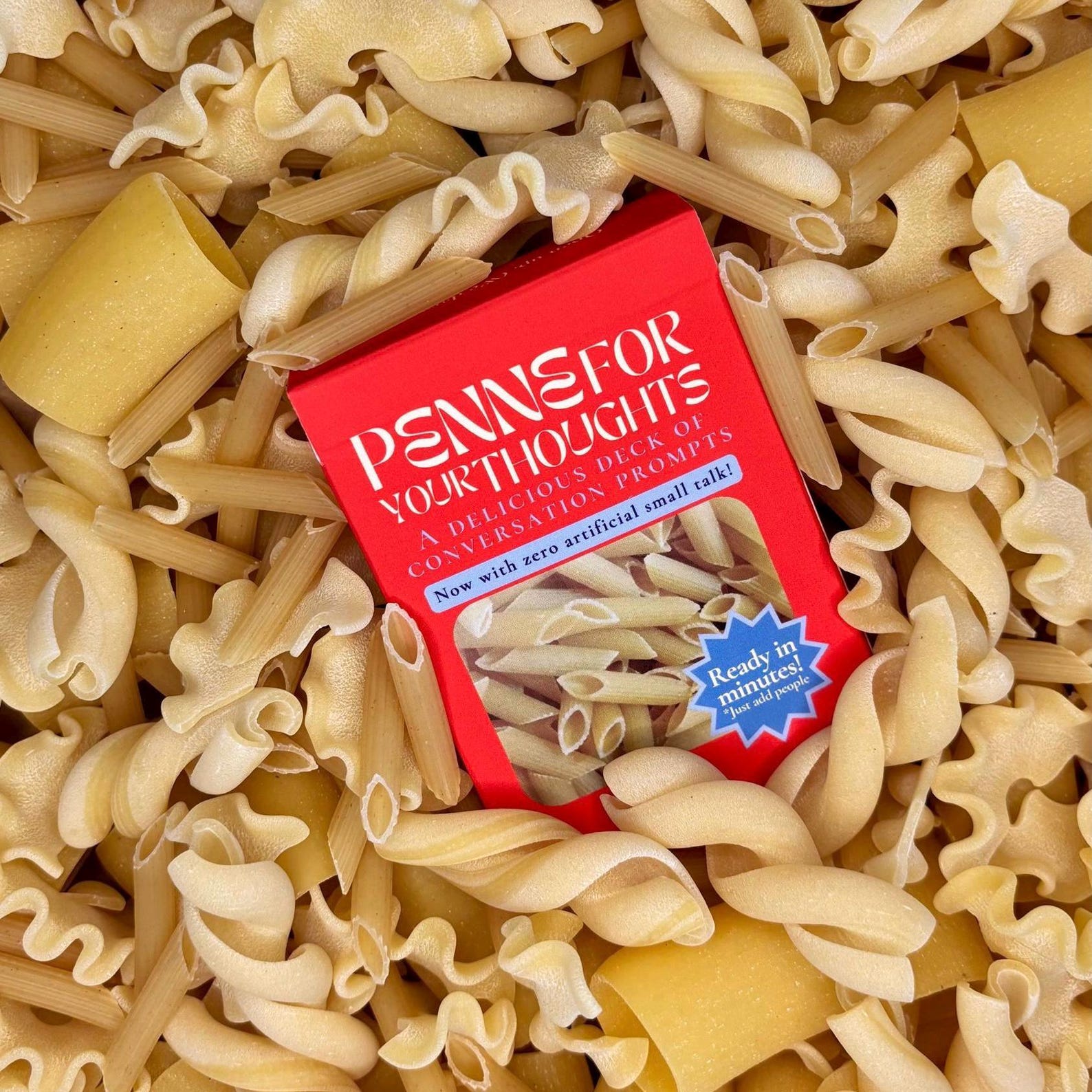
https://www.etsy.com/listing/4329958458/
From $19.99 on

Disposable Chafing Dish Buffet Set | 33
From $39.99 on
150 Pc 8" Tutti Frutti Dessert
From $3.37 on

SINJEUN 2 Pack Pizza Topping Station
From $42.99 on
We may earn a small commission from qualifying purchases.
Dinner Party Favors Guests Will Want to Take Home
Favors should feel like they came from the table, not from a separate checklist at the end of the night. Think of them as small extensions of the meal—something guests can enjoy the next morning, cook with later, or use in their own kitchen. The best ones are simple, thoughtful, and tied directly to the flavors and rhythm of the evening.
Edible Favors That Carry the Meal Into the Next Day
These should feel like a natural takeaway—something guests might reach for with coffee the next morning or use in their own cooking later that week.
-
Individually wrapped biscotti or almond cookies in parchment or wax paper, tied with twine for a bakery-style finish
-
Mini pasta bundles (spaghetti, fettuccine) paired with a small tag suggesting a simple sauce or recipe
-
Small paper bags filled with chocolate-dipped almonds, espresso beans, or Italian chocolates
-
Herb-infused snack mixes with rosemary, garlic, or olive oil flavors that echo the meal
-
Lemon or orange shortbread cookies that tie back to classic Italian citrus flavors
Keepsake Favors That Feel Like They Belong in the Kitchen
These should feel useful and familiar—items guests might actually keep on their counter or reach for while cooking.
-
Small glass bottles of olive oil with handwritten labels or flavor notes
-
Wooden spoons or mini serving utensils tied with a simple tag or ribbon
-
Printed recipe cards featuring a dish from the evening (pasta, bruschetta, or dessert)
-
Potted herbs like basil or thyme that guests can take home and use
-
Small jars of seasoning blends (Italian herbs, garlic salt, or chili flakes)
Packaging Details That Match the Table and Setting
Packaging should feel like part of the tablescape—soft, understated, and consistent with the materials used throughout the night.
-
Kraft paper boxes tied with twine or linen ribbon for a rustic, unfussy look
-
Glass jars with minimal labels or handwritten tags for a slightly elevated feel
-
Clear bags with simple folded tags that let the contents show through
-
Small paper sacks stamped or labeled by hand for a casual, old-world touch
-
Neutral tones like cream, olive, or brown that blend into the table rather than stand out

Zonon 100 Pieces Glassine Wax Paper Bag
From $14.99 on
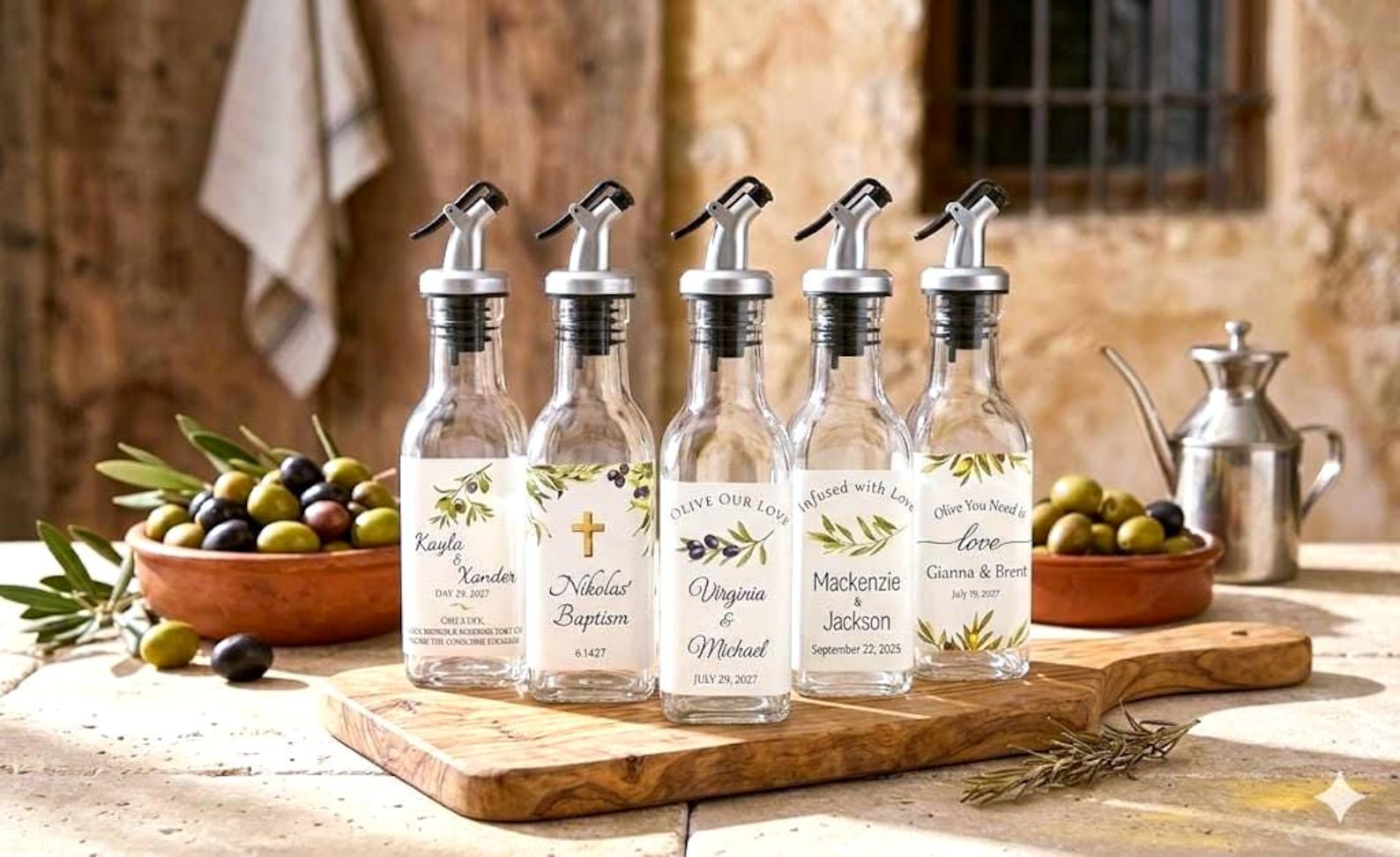
5oz Olive Oil Bottles + Custom Labels:
From $5.95 on

Misdary 50 Set Wedding Almond Candy
From $38.99 on
36 Pc Bulk Mini Mason Favor Jars with
From $69.99 on
We may earn a small commission from qualifying purchases.
Party Supplies That Support a Smooth and Well-Styled Setup
The right supplies should support the flow of the evening without competing with the table itself. For an Italian dinner party, these are the pieces that set the tone early and help the meal unfold naturally from course to course.
Invitations and Signage That Set the Tone Early
Invitations and small signage details can introduce the relaxed, rustic feel of the evening before guests even sit down.
- Printed invitations with simple, old-world details like script fonts, soft neutrals, or subtle red and green accents that nod to Italian café or trattoria style
- Menu-style layouts or course listings that preview the Italian dishes being served
- A small welcome sign or chalkboard with an Italian phrase, menu highlight, or the evening’s theme to greet guests as they arrive
- Printed or handwritten menus displayed at the table or on a board so the meal feels intentional but still relaxed
Tableware That Feels Collected and Italian-Inspired
Tableware should feel unfussy and slightly mixed, like pieces gathered over time rather than a perfectly matched set.
- Ceramic or stoneware plates in neutral tones, soft patterns, or slightly imperfect finishes that echo a rustic Italian kitchen
- Clear, simple glassware for water and wine that keeps the table light and uncluttered
- Linen or cotton napkins in soft neutrals or classic patterns, loosely folded or draped for a relaxed look
Serving and Setup Pieces That Keep the Meal Flowing
These pieces help the meal move naturally from course to course while keeping everything within reach.
- Extra platters or bowls set nearby so additional courses can be brought out smoothly without overcrowding the table
- Olive oil bottles, small dishes, and carafes kept within reach so guests can refill or serve themselves as they go
- A sideboard or console used to stage dishes between courses so the table can shift naturally as the meal progresses
- A simple drink area with wine bottles, water, and glassware grouped together so guests can pour and refill without interrupting conversation

FINGERCRAFT Dinner Cloth Napkin Cotton
From $24.99 on
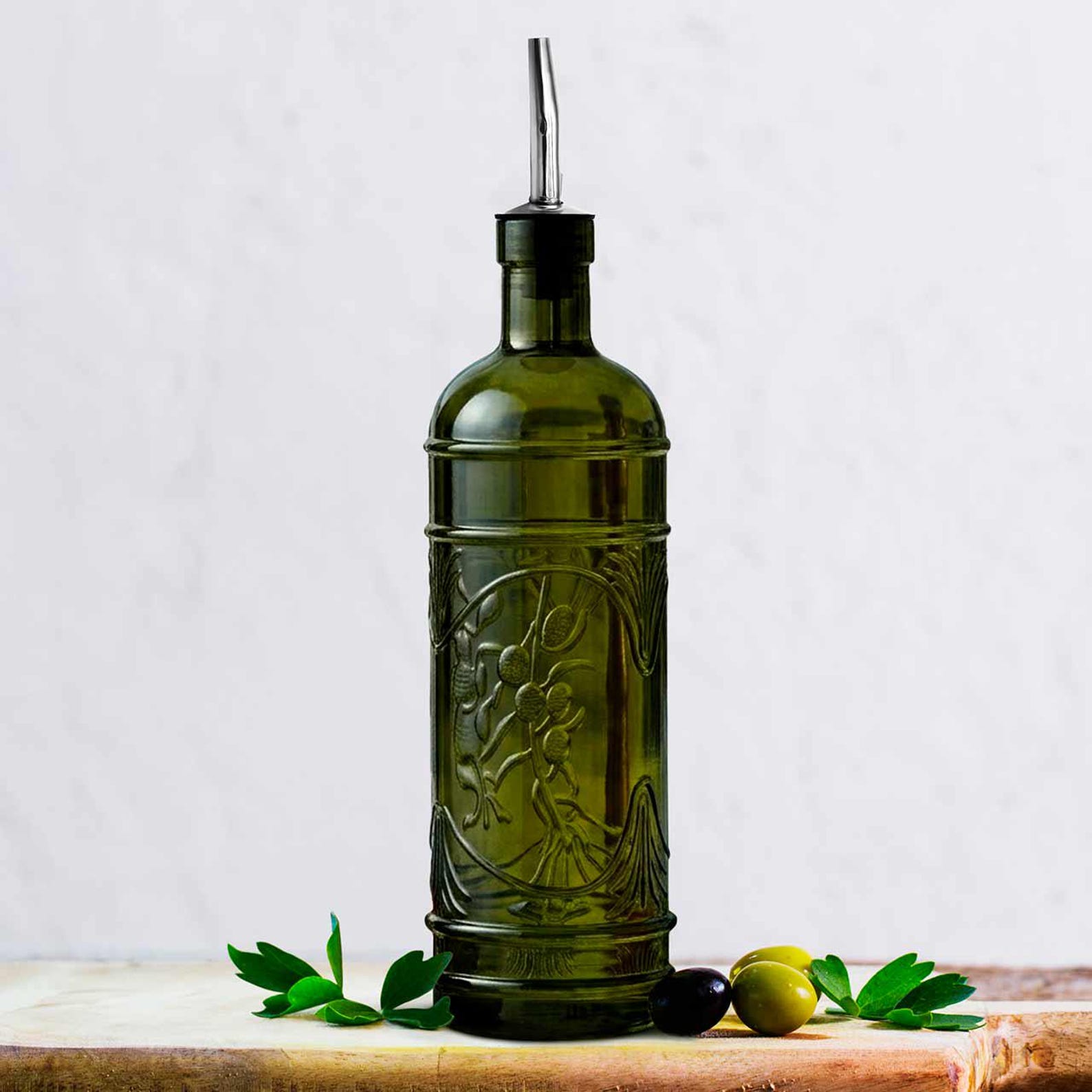
Recycled Glass Oil Bottle – Embossed
From $15.99 on

Champagne Tower for Parties, 3-Tier
From $27.99 on
25 Pc 10" Personalized Gold Foil Menu
From $16.99 on
We may earn a small commission from qualifying purchases.
Budget-Friendly Ideas with Tuscan Touches
This theme works beautifully on a budget because it leans on natural materials, warm lighting, and simple, shared meals rather than elaborate décor.
Focus on the Elements That Shape the Experience
A few well-chosen elements will define the entire evening, so it’s worth putting your effort where guests will actually notice it.
- The table, styled with layered linens, ceramic dishes, and a warm, gathered look that feels full without being formal
- Lighting, using candles or soft string lights to create a golden, late-evening glow across the space
- Food presentation, with rustic boards and bowls arranged for sharing so the table feels abundant
- A simple drink area with wine, water, and glassware grouped together so it feels like a natural extension of the table
Keep Decor Simple and Repeatable
Tuscan style feels most natural when the same materials and tones are repeated throughout the space.
- Use items you already own in warm neutrals, wood tones, or simple ceramics as the base
- Repurpose jars, bottles, or trays as candle holders or serving pieces to add texture without extra cost
- Repeat materials like wood, linen, and glass so the setup feels cohesive without needing matching sets
- Skip overly styled décor and let a few well-placed elements carry the look
Simplify the Menu Without Losing Impact
A smaller menu can still feel full when it’s served in a relaxed, family-style way.
- One main dish served in a large bowl or platter that anchors the table
- A few simple sides placed around it so everything feels shared and accessible
- Simple desserts served on trays or boards so the table stays consistent in style
- Portions arranged generously so the table feels abundant, even with fewer dishes
8 Pc 7" Lemon Party Paper Dessert Plates
From $1.97 on

Flameless Small Tea Light LED Candles,
From $21.99 on
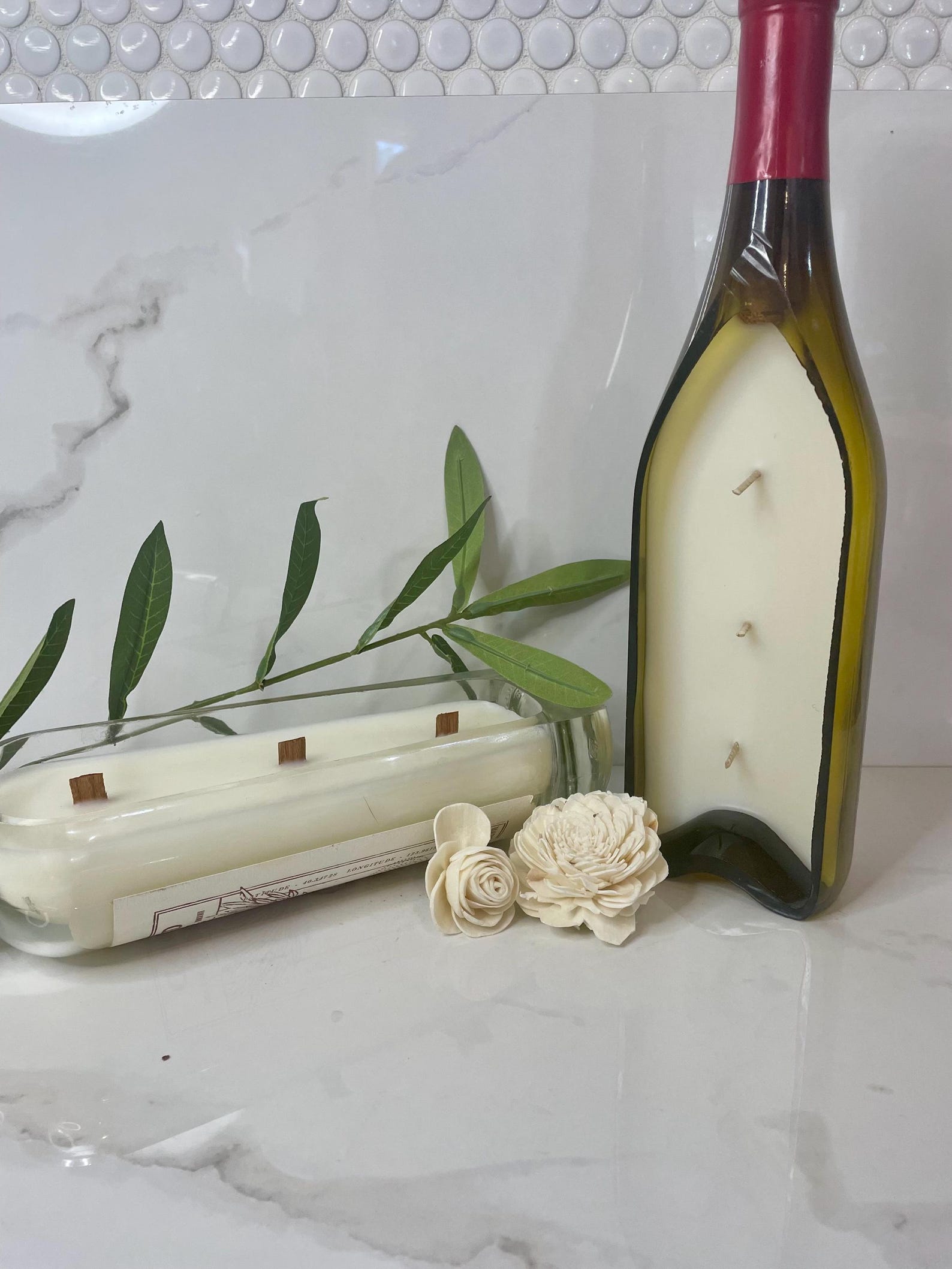
Upcycled Horizontal Wine Bottle Candle-
From $35.00 on

Kingdder 2 Pcs Italy Table Runner
From $13.99 on
We may earn a small commission from qualifying purchases.