

Updated on: Jun 05, 2026
When you picture a party in full swing, certain sounds instantly set the scene. There’s the joyful laughter of friends, the clinking of glasses, music pulsing through the speakers, and of course, the cheerful toot or buzz of a party blower, party horn, or kazoo. These tiny noise makers may be small, but they bring big energy to any gathering. This guide explores the history, styles, uses, safety tips, and creative ways to bring party blowers into your events.Whether you're planning a cozy get-together or a full-blown celebration, you'll find plenty of ideas to make your event pop with sound and spirit.
Types of Party Noisemakers
There’s a lot more variety in party noisemakers than most people expect. Here are the most common types:
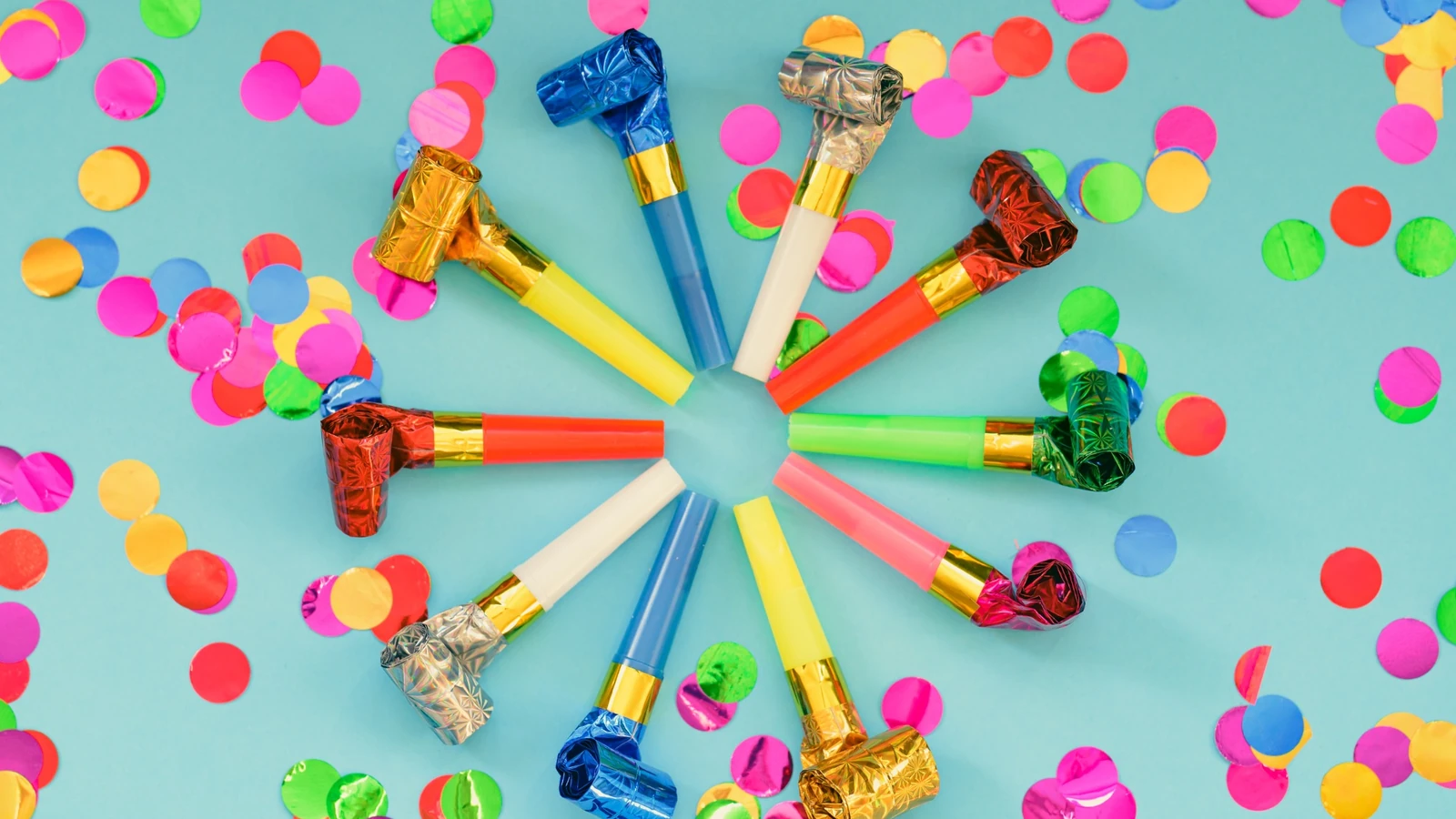
- Classic Party Blowers / Blowouts: A familiar favorite, the traditional coiled paper tube attached to a mouthpiece. As you blow, the paper unfurls and a little reed inside makes a cheerful sound.
- Party Horns: Sturdier noisemakers, you’ll often see at outdoor parties. Usually made from plastic or foil, they let out a sharp toot and are great for louder celebrations
- Kazoos: A musical noise maker that buzzes when you hum into it. Instead of blowing, you use your voice to create a fun, melodic sound.
- Whistles: Commonly associated with sports and parades, whistles can also be a charming addition to children’s party bags.
- Hand Clappers and Rattles: No mouthpiece needed. Just shake, clap, and let the sound fly. These classic noisemakers are great for keeping rhythm or adding excitement to announcements.
- Electronic Noisemakers: Powered by batteries, these noisemakers offer a range of recorded sounds, from sirens to melodies. Often used for New Year’s Eve countdowns.
- Novelty Shaped Noisemakers: They blend sound with visual charm. These noisemakers often resemble animals, characters, or props.
72 Pc 13" Bulk Festive Blowouts with
From $16.19 on 

Crystaljun 20Pcs Plastic Kazoos With
From $9.99 on 

Chshhuao 50 Pcs Funny Blowouts Blow
From $6.99 on

Blulu 24 Pieces Plastic Kazoos 8
From $12.99 on
We may earn a small commission from qualifying purchases.
Choosing the Right Noisemaker for Your Event
Not every party blower works for every occasion. Here’s how to choose the right noisemaker to your celebration:
- For Kids’ Parties: Keep things cheerful without going overboard. Go for soft-sounding party blowers or kazoos to avoid overwhelming noise levels. Bright colors and character designs make them extra fun for kids.
- For Weddings: Want a fun twist on the classic wedding exit? Swap out rice or confetti for something a little more elegant. Consider elegant metallic party horns or ribbon-wrapped blowouts for a sophisticated send-off.
- For New Year’s Eve: Make the countdown extra exciting with noise makers that flash or play electronic sounds to make your countdown feel like a full-on celebration.
- For Outdoor Events: Opt for party horns or whistles, they’re perfect for making sure the whole crowd hears the fun.
- For Themed Parties: Choose noisemakers that match your party’s colors or theme. For example, tropical designs for a luau. Gold and black for a Gatsby party).

50 PCS Blowouts Noisemakers: 40 Party
From $8.29 on

Sumind 48 Pcs Gold and Silver Noise
From $9.99 on

12 Pcs Glitter Noise Makers Metallic
From $6.99 on

Blulu 30 Pieces Plastic Kazoos Bulk Gift
From $18.99 on
We may earn a small commission from qualifying purchases.
Fun Ways to Incorporate Noisemakers into Your Celebration
Rather than handing them out randomly, consider how they can enhance the atmosphere and create memorable experiences.
- Grand Entrances: Distribute party blowers to your guests to sound off when the guest of honor arrives.
- Game Starts and Ends: Use a party horn or whistle to kick off the game with a toot and wrap it up with a whistle.
- Photo Opportunities: Want a photo that pops? Have the whole group blow their party blowers at once for a lively shot.
- Surprise Announcements: Whether it’s a gender reveal or an engagement add a little extra excitement to big news by pairing it with noisemakers.
- Dance Floor Energy Boost: Distribute kazoos or clappers halfway through the party to bring the energy back up.
DIY Party Blowers: A Craft Activity for Guests
Want to add some creative fun to your party? Try making your own party blowers. It can be an engaging pre-party or mid-event activity, especially for kids. Here’s a simple method:
Supplies:
-
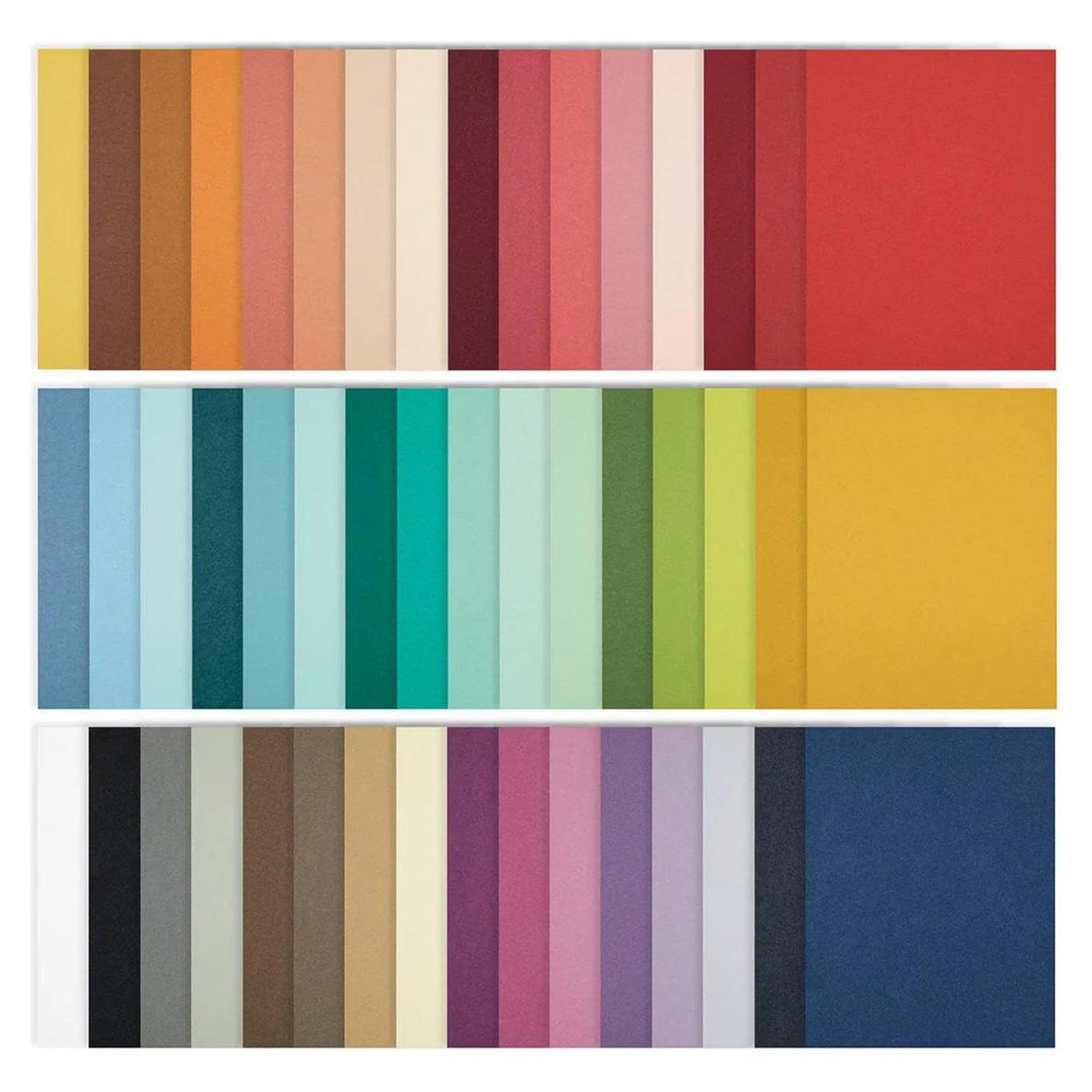
Colorful cardstock
-
Decorative paper
-
Small party horn mechanisms (available online)
-
Glue or tape
-
Stickers, glitter, or markers for decoration
Instructions:
-
Cut cardstock into rectangles to form the horn body.
-
Wrap the horn mechanism with decorative paper.
-
Secure the paper with glue or tape.
-
Let guests personalize with stickers and designs.
-
Hand out for use during the event.
This activity doubles as entertainment and gives guests something personal to take home. To make this activity easy to set up, you can prepare a simple DIY station with pre-bought supplies so guests can jump right in.
Spellbinders The Full 48 ColorWheel
From $38.25 on 

120 Sheets 12"X 12" Scrapbook Paper Bulk
From $19.99 on
30 Pc Bulk .28 Oz Elmer's® Clear
From $29.99 on

200Pcs Water Bottle Stickers for Kids
From $7.99 on
We may earn a small commission from qualifying purchases.
Eco-Friendly Noisemaker Options
Going green doesn’t mean skipping the fun! With sustainability in mind, many event planners now seek out eco-friendly alternatives:
- Paper-Based Blowouts: Constructed from recycled or biodegradable paper helping reduce waste while keeping the joy alive.
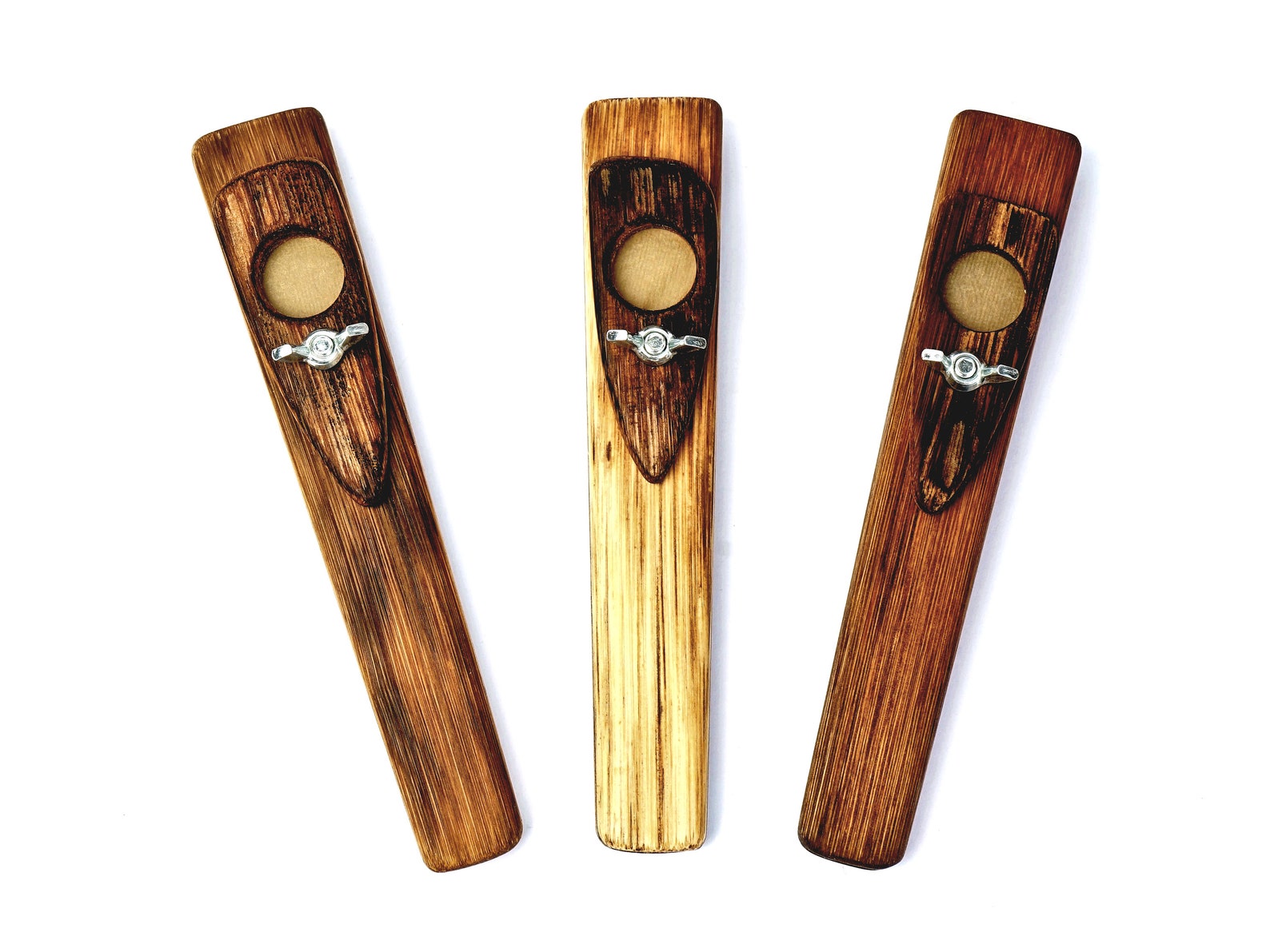
- Wooden Kazoos: Durable, reusable, and safe to compost when the party’s over.
- DIY Noisemakers: Create custom noisemakers using repurposed containers filled with beans or beads.
- Metal Whistles: Designed for durability and made from recyclable materials.

Beistle Super-Tube Noiseless Blowouts –
From $7.22 on
3-Pack Soulful, deluxe Wooden KAZOO -
From $182.13 on

Multicolor Metallic Stripes Party
From $6.38 on

Foraineam 24-Pack Metal Kazoos with 24
From $19.99 on
We may earn a small commission from qualifying purchases.
Safety Considerations
Party blowers and noisemakers are generally safe,but a few simple precautions can help keep things fun and accident-free.
-
Skip mouth-operated noisemakers for kids under 3 due to choking hazards.
-
Stick with non-toxic materials and ensure paper or plastic parts won’t easily tear into small pieces.
-
For reusable kazoos and whistles, provide sanitizing wipes or package them as parting gifts for guests.
A Brief History of Party Blowers and Noisemakers
Long before modern party blowers, cultures around the world used sound to mark celebrations. In ancient Rome, horns and trumpets signaled festivals and victories. In Japan, bamboo flutes added music to joyful occasions, while many African traditions used drums and wooden clappers to bring people together through rhythm.
The party blowers we recognize today became popular in the early 20th century. As manufacturing improved, these lightweight noisemakers—made from paper, plastic, and cardboard—became inexpensive and widely available. By the mid-1900s, they were a common sight at birthdays and holiday gatherings.
Today, noisemakers range from classic paper blowouts to electronic versions that light up or play music. While the materials and styles have evolved, the purpose remains the same: to create energy, signal celebration, and bring people together through shared sound.
Cultural Variations of Noisemakers
Around the globe, celebratory noisemaking takes many forms. Incorporating cultural noisemakers into your party introduces a distinctive touch and offers guests a chance to explore global traditions in a festive setting.
- Japan: Wooden clappers called hyoshigi are used during festivals.
- Spain: Firecrackers and whistles are popular during local fiestas.
- Brazil: Carnival parades feature drums and whistles to keep the beat.
- USA: Party blowers and kazoos are staples for birthdays and holidays.
The Psychology of Sound in Celebrations
Sound brings people together. A party horn or blowout doesn’t just make noise,it creates a shared emotional experience. According to psychologists, making noise as a group strengthens connection and amplifies happiness, turning fleeting moments into lasting memories. This explains why countdowns, cheers, and loud musical interludes are so common in festive gatherings.
By using noise makers at key moments, you create auditory cues that enhance the emotional impact of the event. The sound becomes part of the celebration, just like the cake or the décor.
Storing and Reusing Noisemakers
If you host parties often, keeping a stash of noisemakers on hand can cut cost and reduce waste.
-
Preserve your noisemakers by storing them in airtight containers to protect from dust and moisture.
-
Keep mouthpieces sanitized, especially for reusable kazoos or whistles.
-
Sort your noisemakers by type so it’s easy to grab the perfect ones for each party.
When to Avoid Noisemakers
As much fun as they are, noisemakers aren’t always the best choice. Some places need a softer touch.
- Quiet Venues: Quieter settings such as museums, libraries, or formal dining rooms, loud noisemakers may be considered disruptive.
- Pet-Friendly Events: Loud sounds can stress animals.Choosing calm over clamor helps ensure they feel safe and included in the celebration.
- Sensory-Sensitive Guests: Opt for visual alternatives like (streamers, lights) instead.
Final Thoughts
From their cultural roots to their modern variations, noisemakers remain a timeless element of celebration. Whether you call them party blowers, party horns, kazoos, or noise makers, these little accessories bring big energy to any celebration. Choosing the right type for your occasion, using them thoughtfully and considering safety, you can ensure that the joyful sounds leave a lasting impression well beyond the event itself.
FAQs About Party Blowers
What is a horn used to make noise at a party?
A party horn or party blower, a small device that unrolls and makes noises when you blow into it. They’re ideal for creating a lively, festive atmosphere.
What are party blowers made of?
They’re usually made with lightweight paper or foil tubes, a small plastic mouthpiece, and sometimes a noisemaker insert to amplify the sound.
What is the real name of a party blower?
You might hear them be called a party blower, party horn, noisemaker, or blowout. All refer to the same festive little tool.
What is the history of party horns?
Rooted in tradition, today’s party blowers trace back to the early 20th-century as a playful adaptation of ceremonial horns and instruments. Eventually they evolved into the paper and plastic versions we see today.