


Updated on: Jun 05, 2026
A progressive dinner party is one of the most interactive ways to host a gathering. Instead of staying in one place all night, guests move from home to home for each course, creating a shared experience that feels social, dynamic, and memorable. It naturally spreads out hosting responsibilities while giving each stop its own moment to shine. With the right structure and a few thoughtful details, the evening can feel coordinated without becoming complicated.
What is a progressive dinner party?
A progressive dinner party is a social gathering where guests travel between multiple homes or locations throughout the evening, with each stop hosting a different course of the meal. For example, appetizers may be served at one home, the main course at another, and dessert at a final location. This format allows guests to experience different settings, share hosting responsibilities, and enjoy a more interactive dining experience than a traditional dinner party.
Event Design and Styling for a Progressive Dinner Party
A progressive dinner works best when the design is simple, flexible, and easy for multiple hosts to follow. Because each stop happens in a different space, the goal isn’t to match everything exactly, but to create a shared thread that ties the evening together. A clear theme, a consistent color palette, and a thoughtful flow between stops will make the entire event feel intentional.
Choosing a Theme That Works Across Multiple Homes
A simple, adaptable theme keeps each location connected without requiring identical setups.
-
Choose a color palette (like black and gold or soft neutrals) that every host can incorporate with tableware, candles, or small accents
-
Use a seasonal or holiday theme so decorations feel natural rather than forced at each stop
-
Try an international food theme where each house represents a different cuisine or region
-
Keep the theme broad enough that hosts can interpret it in their own space without stress
-
Avoid themes that require very specific décor pieces that may not be easy for everyone to replicate
Coordinating Colors and Details Across Stops
Repeating a few key elements at every house makes the night feel cohesive from start to finish.
-
Use the same 2–3 colors in napkins, table runners, or small décor pieces at each stop
-
Incorporate a shared item like candles, greenery, or metallic accents to create visual consistency
-
Print simple menu cards or signage using the same font and style for each course
-
Encourage hosts to repeat one small detail (like a centerpiece style) rather than redesigning everything
-
Keep coordination simple so it enhances the experience without adding pressure
Gold Shimmer Burlap Table Runner
From $8.29 on 
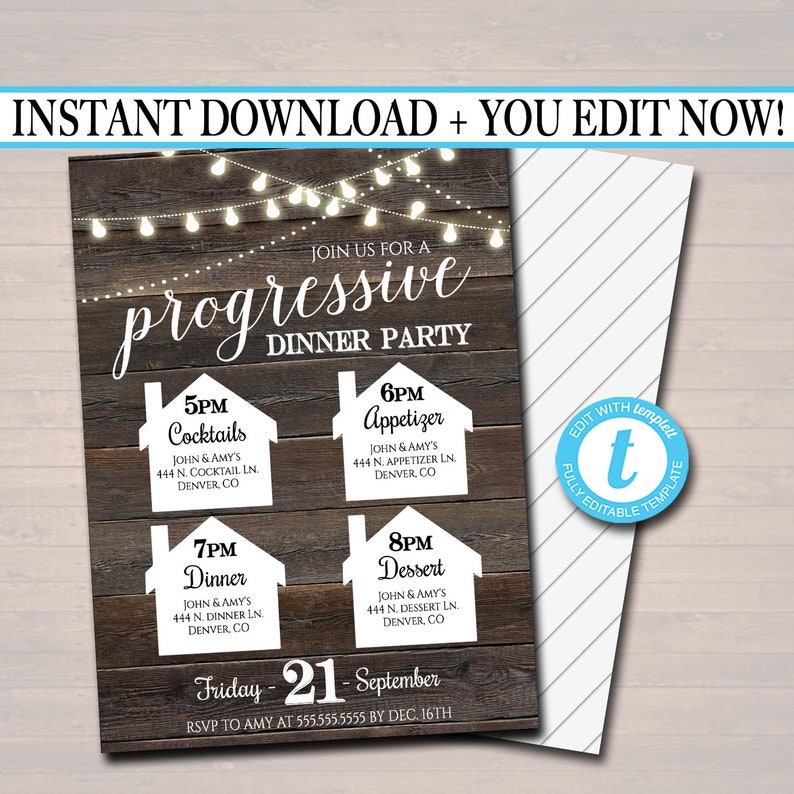
Rustic Progressive Dinner Party
From $11.00 on 

WOWBOX 4 pcs Serving Tray for
From $12.53 on 
We may earn a small commission from qualifying purchases.
Assigning Courses to Each Host
Dividing the meal into clear courses helps the evening feel structured without being rigid.
-
Start with appetizers at the first house to ease guests into the evening with lighter food
-
Use a second stop for soup or salad if you want to extend the experience
-
Plan the main course at the central stop where guests will spend the most time seated
-
End with dessert at the final house where the atmosphere can feel more relaxed
-
Add an optional final stop for coffee, cocktails, or after-dinner drinks if your group wants to linger
Planning the Route and Timing for the Night
A smooth route and realistic timing keep the event enjoyable rather than rushed.
-
Choose homes within walking distance or a short drive to minimize travel stress
-
Allow 45–60 minutes per stop so guests can eat and socialize without feeling hurried
-
Build in short transition time between locations so movement feels relaxed
-
Share a simple schedule ahead of time so guests know where to go and when
-
Keep the number of stops manageable so the night doesn’t feel too long
Progressive Dinner Party Theme Ideas That Keep Each Stop Unique
A progressive dinner party naturally lends itself to themed courses, where each stop offers a different experience. Whether you keep a consistent style or vary the theme by course, adding a theme to each location makes the evening feel more intentional and memorable.
- Around the World Theme: Each course represents a different country, such as Italian appetizers, Mexican main dishes, and French desserts.
- Decades Theme: Assign each stop a different era, like a 1920s cocktail hour, 1950s dinner, and 1980s dessert party.
- Cuisine Progression Theme: Keep the focus on food by moving from light bites to hearty dishes and finishing with desserts and drinks.
- Color or Mood Theme: Each host uses a different color palette or atmosphere, such as bright and casual for appetizers, warm and cozy for dinner, and elegant for dessert.
- Wine or Cocktail Pairing Theme: Each stop features a different drink style paired with the course, creating a tasting-style experience.
Red & White Checkered Banquet Plastic
From $19.99 on

Mixweer 10 Pack Beige Retro Lace Place
From $19.99 on
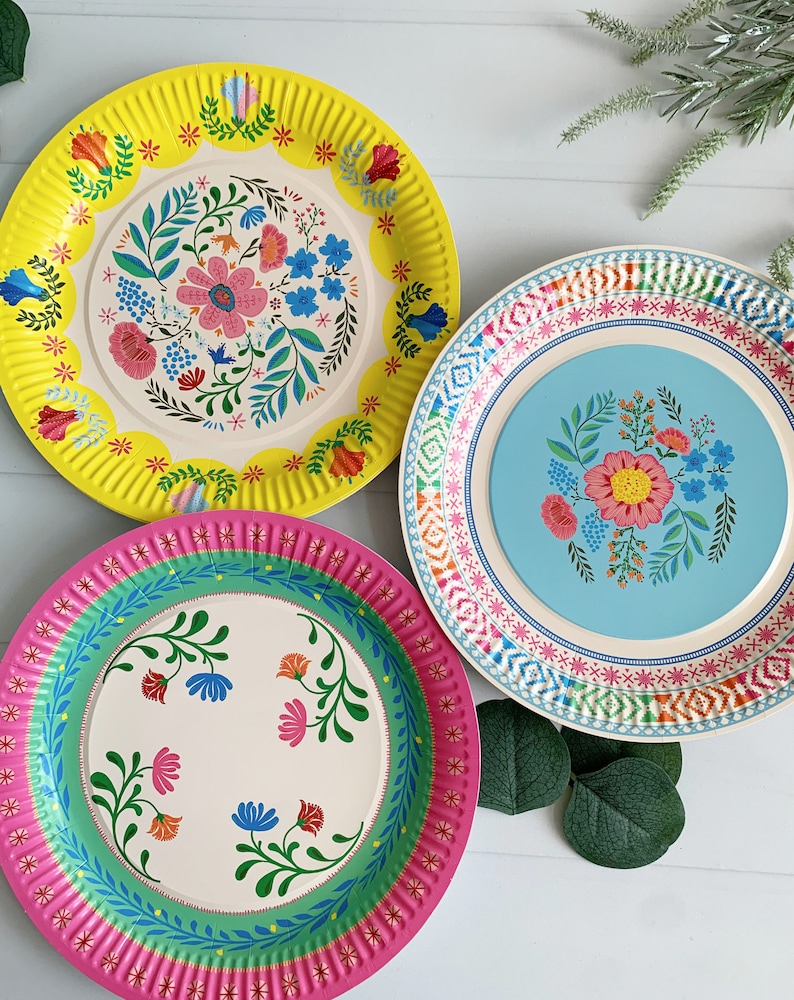
Boho Fiesta Paper Plates- Medium
From $8.10 on

10 Pieces Roaring 1920's Party Honeycomb
From $9.99 on
We may earn a small commission from qualifying purchases.
Decorations That Tie Each Stop Together
Decorations for a progressive dinner should feel connected but not identical. Each home can have its own personality while still reflecting the shared theme through color, materials, or small repeated details. The goal is for guests to feel a sense of continuity as they move from one stop to the next.
Simple Decorations Each Host Can Use
Keeping décor approachable ensures every host can participate without extra effort.
-
Use matching tablecloths or runners in the chosen color palette to anchor each table
-
Add candles (votives or tapers) for a consistent, warm look across all homes
-
Incorporate a similar centerpiece style, like greenery or simple florals, that’s easy to recreate
-
Print small signs or menus with the same design so each stop feels connected
-
Keep decorations minimal so setup stays manageable for every host
Table Decoration Ideas for Each Course
Each course can have a slightly different setup that reflects its role in the meal.
-
Set appetizer tables with small plates, cocktail napkins, and standing space for mingling
-
Create a more structured table for the main course with full place settings and seating
-
Use trays, cake stands, or tiered displays for dessert to add height and interest
-
Style drink areas with grouped glasses, bottles, and simple signage
-
Keep each table functional first, then layer in decorative elements
Signs and Labels That Help Guide Guests
Clear signage keeps guests oriented and adds a polished touch to each stop.
-
Place a welcome sign at the entrance of each house so guests know they’re in the right place
-
Add a menu sign that clearly labels the course being served
-
Use small directional signs or notes to guide guests to the next location
-
Provide name tags if guests don’t all know each other
-
Keep all signage consistent in style for a cohesive look
Outdoor Decorations for Walking Routes
If guests are moving between homes on foot, small details outside make the transition feel part of the event.
-
Line walkways with lanterns or luminaries to guide guests between stops
-
Hang string lights outside entryways to create a welcoming glow
-
Use chalkboard signs or small markers to indicate the next house
-
Add balloons or simple markers near doors so homes are easy to identify
-
Keep outdoor décor simple and functional rather than overly styled

Custom Balloon Garland Kit | DIY Balloon
From $39.00 on

NLBTW Set of 6 Brass Gold Candle Holders
From $20.69 on
12 Pc 5" Gold Mercury Mason Jars
From $54.98 on

EXCMARK 2 Pack Outdoor Solar Hanging
From $29.99 on
We may earn a small commission from qualifying purchases.
Food and Drink Ideas for a Progressive Dinner Party
Food should feel easy to serve, easy to eat, and appropriate for the pace of the evening. Since guests are moving between locations, each course should be simple enough to prepare ahead of time and serve without delay. A mix of familiar options and a few elevated touches helps keep things both practical and special.
Appetizer Ideas for the First Stop
The first course should be light, approachable, and easy to eat while standing.
-
Arrange cheese boards with a mix of crackers, fruit, and spreads that guests can quickly assemble
-
Serve bite-sized items like bruschetta or mini sandwiches that don’t require utensils
-
Offer dips with chips or vegetables in multiple bowls to prevent crowding
-
Include small hot items like meatballs that can stay warm in a slow cooker
-
Keep portions small so guests are ready for the next course
Main Course Ideas for the Dinner Stop
The main course should be filling but easy to serve to a group without slowing the evening down.
-
Choose pasta dishes that can be prepared in advance and served quickly
-
Set up a taco bar with clearly labeled toppings so guests can build their own plates
-
Serve roast chicken or similar dishes that can be portioned easily
-
Use casseroles that hold heat well and don’t require last-minute assembly
-
Keep sides simple so the focus stays on serving efficiently
Dessert Ideas for the Final Stop
Dessert should feel relaxed and give guests a chance to linger and enjoy the end of the night.
-
Offer a mix of desserts like brownies, cookies, and cake so guests can choose easily
-
Set up an ice cream bar with a limited number of toppings for quick serving
-
Use trays or stands to create a visually appealing but simple display
-
Include small portions so guests can sample more than one option
-
Keep seating or lounge space nearby so guests can settle in
Drink Ideas That Evolve Throughout the Night
Changing drinks at each stop adds variety and keeps the experience feeling fresh.
-
Serve cocktails or mocktails at the first stop to set the tone
-
Offer wine or simple drink pairings with the main course
-
Transition to coffee, tea, or dessert drinks at the final stop
-
Include non-alcoholic options at every location so everyone feels included
-
Keep drink setups self-serve whenever possible
12" Beverage Dispenser
From $32.99 on

DOWAN Casserole Dish, 9x13 Ceramic
From $29.99 on
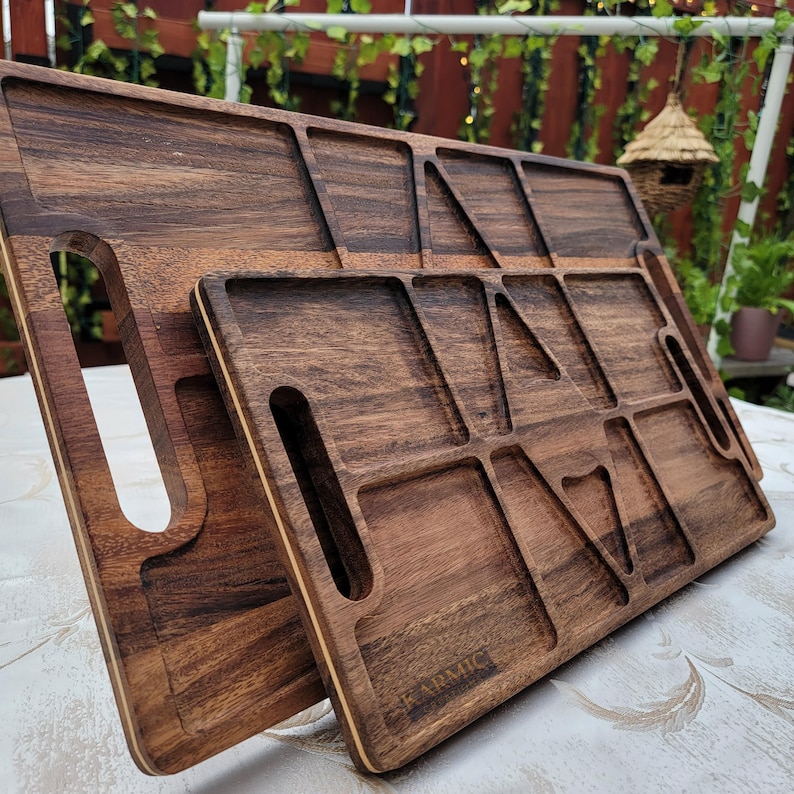
Charcuterie Board with Compartments &
From $29.99 on

Coitak 3 Tier Cupcake Stand, Plastic
From $11.99 on
We may earn a small commission from qualifying purchases.
Entertainment and Games for a Progressive Dinner Party
Entertainment should feel natural and easy to join, adding to the social experience without interrupting the flow of the evening.
Conversation Activities for Each Stop
Simple prompts help guests connect, especially if not everyone knows each other.
-
Place conversation cards on tables so guests can pick one up during each course
-
Use themed trivia that ties into the event or group
-
Add light “would you rather” questions to keep things casual
-
Encourage hosts to introduce guests at each stop to spark conversation
-
Keep activities optional so they don’t feel forced
Fun Ideas Between Houses
Travel time can become part of the experience with a little planning.
-
Create a photo challenge where guests take a picture at each stop
-
Add a simple scavenger hunt with clues revealed at each location
-
Encourage group selfies to capture the progression of the night
-
Include a light costume or theme element guests can carry through each stop
-
Keep activities quick so they don’t delay the schedule
Music Ideas for Different Stops
Music helps define the mood at each stage of the evening.
-
Use light background music during appetizers to encourage conversation
-
Play softer dinner music during the main course
-
Transition to more upbeat music during dessert or drinks
-
Keep volume low enough for guests to talk comfortably
-
Let each host adjust music to fit their space while staying within the overall tone

BONAOK Wireless Bluetooth Karaoke
From $19.99 on
24 Pc Glitter Photo Stick Props
From $19.99 on
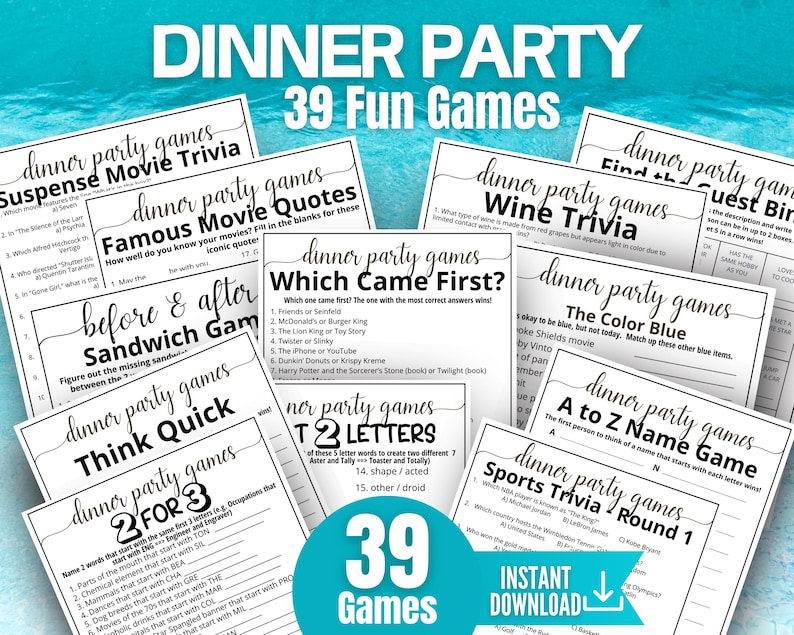
Dinner Party Game Bundle, Dinner Table
From $12.47 on

OFF TOPIC Party Game for Adults - Fun
From $28.99 on
We may earn a small commission from qualifying purchases.
Progressive Dinner Party Favors That Guests Will Appreciate
Favors for a progressive dinner should feel like a simple extension of the evening rather than a separate feature. Since guests are already moving between locations, the best favors are small, easy to carry, and tied to the experience in a subtle way.
Edible Favor Ideas That Feel Thoughtful
Edible favors are easy to distribute and naturally fit into a food-centered event.
-
Package cookies or baked goods in small bags guests can take at the final stop
-
Offer candy jars or chocolate pieces in simple containers
-
Create snack mixes that guests can grab as they leave
-
Add a small label with the date or theme for a finished touch
-
Keep packaging compact so it’s easy to carry between locations
Keepsake Favor Ideas Guests Will Remember
Keepsakes can add a more personal element without becoming overly formal.
-
Print menu cards that guests can take home as a memory of the night
-
Offer small candles or simple décor items that match the theme
-
Include photo prints from the evening if you have a shared album
-
Choose items that feel useful rather than decorative only
-
Keep the design simple so it fits a range of styles
Practical Favor Ideas Guests Will Actually Use
Practical favors fit especially well for a progressive dinner since guests are already moving between locations and need something easy to carry and worth keeping.
-
Offer reusable wine tumblers or drink glasses guests can use during the event and take home
-
Provide small olive oil bottles, spice blends, or cooking ingredients that connect to the meal
-
Give out coasters or simple kitchen items that feel relevant to a dinner setting
-
Use compact items that fit easily in a bag or coat pocket so guests aren’t carrying something bulky all night
-
Choose neutral designs so the favors feel useful beyond the event
Favor Packaging Ideas That Work for Group Events
Packaging should be easy for guests to carry as they move between stops.
-
Use small boxes or kraft bags that can be held easily
-
Wrap items in clear packaging so contents are visible
-
Add simple tags with the date or event name
-
Keep everything lightweight so guests don’t feel burdened
-
Place favors at the final stop so guests don’t carry them all night
Custom Round Stickers, Vinyl Stickers
From $11.99 on

qiqee 32 Pcs Mini Paper Gift Bags with
From $13.98 on
50 Pc 4"x5.5" Bulk Small Clear
From $6.99 on

Scented Candle Set 24 Pack, Candle for
From $39.99 on
We may earn a small commission from qualifying purchases.
Party Supplies That Keep a Progressive Dinner Organized
Because multiple hosts are involved, having the right supplies prepared ahead of time helps the entire evening run smoothly. A little organization behind the scenes makes the event feel effortless to guests.
Tableware and Serving Supplies for Multiple Hosts
Consistent supplies across homes help everything feel more coordinated.
-
Make sure each host has enough plates, napkins, and utensils for their course
-
Use similar styles of serving dishes where possible to keep presentation consistent
-
Prepare extra serving tools so guests don’t have to wait
-
Keep backup supplies on hand in case of spills or shortages
Planning Supplies for Organizing the Event
Clear planning tools help everyone stay on the same page.
-
Create a printed or digital schedule with timing and locations
-
Share a guest list with all hosts
-
Provide a simple map or directions between homes
-
Assign courses clearly so there’s no confusion
Invitations and Coordination Ideas
Good communication ensures guests understand how the event works.
-
Send a group message or email with all event details
-
Include the schedule and expectations in the invitation
-
Use a shared sign-up list for hosts
-
Confirm details a few days before the event
396 Pc Cobalt Blue Tableware Kit for 48
From $43.99 on

Patelai Serving Utensils Set Include
From $18.99 on
Buffet Card Template, Elegant Script
From $1.45 on

WELLIFE 350 Pieces Gold Plastic Plates
From $49.99 on
We may earn a small commission from qualifying purchases.
Affordable Progressive Dinner Party Ideas That Still Feel Special
A progressive dinner is naturally budget-friendly because responsibilities are shared across multiple hosts. With a few intentional choices, the event can feel elevated without requiring a large investment from any one person.
-
Split food responsibilities evenly so no single host carries the full cost
-
Keep decorations minimal and repeatable rather than buying unique items for each home
-
Use printable signs and menus instead of custom orders
-
Choose recipes that can be made in larger batches without extra expense
-
Limit the number of stops to reduce food and supply needs
-
Share drink responsibilities so each host contributes one part of the menu
FAQs About Progressive Dinner Party Ideas
What is a progressive dinner party?
A progressive dinner party is a multi-course event where each course is served at a different home, allowing guests to move from place to place throughout the evening.
How many stops should a progressive dinner have?
Most progressive dinners include three to five stops, depending on the size of the group and how long you want the event to last.
How do you organize a progressive dinner party?
Assign each host a course, plan a simple route, share a schedule with guests, and keep food and décor easy to manage at each location.
What are good themes for a progressive dinner party?
Popular themes include color palettes, seasonal events, international cuisine, or casual versus formal dinner styles.